Discover Concord Logo
Toggle Mobile MenuToggle Mobile Menu
Subscribe
  • Home
  • Current Issue
  • Back Issues
    • Spring 2026
    • Fall 2025
    • Spring 2025
    • Winter 2025
    • 2024 Back Issues
    • 2023 Back Issues
    • 2022 Back Issues
    • 2021 Back Issues
    • 2020 Back Issues
    • 2019 Back Issues
  • Browse Topics
    • Abolitionism in Concord
    • American Revolution
    • Arts & Culture
    • Celebrity Profiles
    • Civil War
    • Concord History
    • Concord Writers
    • First Nations People of Concord
    • Historic Sites in Concord
    • Parks & Nature
    • Patriots of Color
    • Things to See & Do
    • Transcendentalism
    • Trivia
    • Untold Stories of Concord
  • Plan Your Visit
  • Events
  • Purchase Subscriptions and Back Issues
  • Discover the Battle Road
  • 250 Collectibles
  • More
    • About Us
    • Advertise
    • Contact Us
Toggle Mobile MenuToggle Mobile Menu
Home » Keywords » loyalists

Items Tagged with 'loyalists'

ARTICLES

iStock-458135085.jpg

The Loyalist Guides of Lexington and Concord

March 28, 2025
Alexander Cain
No Comments

In 1774 when Parliament passed the Boston Port Act in an attempt to break the Massachusetts colonists of their resistance to Crown policy, it also authorized English General and acting Massachusetts Governor Thomas Gage to undertake any military measures necessary to help bring the colony under control. In late winter and early spring of 1775, Gage received a series of dispatches from London ordering him to not only arrest the leaders of Massachusetts’ opposition party but to launch a major strike against the apparently growing provincial stockpiles of weapons and munitions located throughout eastern Massachusetts. As he contemplated these orders, Gage considered a variety of military options, including a long-range strike against the large store of weapons located in the shire town of Worcester, forty miles west of Boston.


Read More
iStock-458135085.jpg

The Loyalist Guides of Lexington and Concord

September 15, 2022
Alexander Cain
No Comments

In 1774 when Parliament passed the Boston Port Act in an attempt to break the Massachusetts colonists of their resistance to crown policy, it also authorized English General and acting Massachusetts Governor Thomas Gage to undertake any military measures necessary to help bring the colony under control. In late winter and early spring of 1775, Gage received a series of dispatches from London ordering him to not only arrest the leaders of Massachusetts’ opposition party but to launch a major strike against the apparently growing provincial stockpiles of weapons and munitions located throughout eastern Massachusetts.


Read More
Our-First-Civil-War-book-cover.jpg

H.W. Brands Uncovers America’s Long History of Civil Conflict

March 15, 2022
Sam Copeland
No Comments

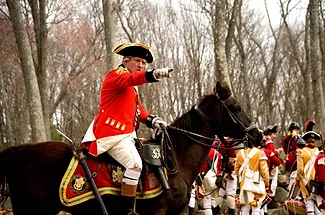
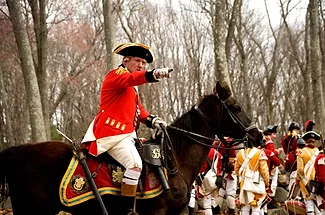
Brands thinks we get important facts backwards in regard to the loyalists. As he points out, historical retrospect leads us to treat the decision for independence as the default for Americans in the 1770s, but in fact the opposite was true.

Read More

Featured Stories

  • Cover Summer26.jpg

    The Summer Issue is Here!

    As our nation celebrates the 250th anniversary of the Declaration of Independence, this issue explores the people, ideas, and stories that continue to shape its legacy. Inside, Professor Robert A. Gross offers fresh perspective in “A Referendum on Independence,” while a special foldout guide, “Following in Thoreau’s Footsteps,” invites you to explore the landscapes that inspired him. Discover an unexpected connection in “A Tale of Two Authors,” revisit the moving story of “A Hawthorne Homecoming,” and enjoy summer events, arts, and ways to experience Concord firsthand.
  • 17760705_Wood_A.jpg

    A Referendum on Independence

    The road to American independence took time to complete, and Massachusetts, despite its reputation as a vanguard state, was not always in the lead. In 1775, even after the battles of Lexington and Concord and Bunker Hill, most Patriot leaders were still seeking restoration of colonial rights within the British empire. Thomas Paine broke the logjam with the publication of Common Sense early the next year. The instant best-seller argued the case for separation by appealing to economic and political self-interest, emotional resentment of a brutal and oppressive king, and a utopian vision of America as “an asylum for mankind.” 
  • Hearse-Concord-Patch.jpg

    A Hawthorne Homecoming

    Two white horses pulled the hearse into Concord’s Sleepy Hollow Cemetery, a top-hatted driver at the reins. A band of mourners followed on foot as they made their way toward Authors’ Ridge.Except for the bright sunshine, this scene wouldn’t seem out of place in a story by Nathaniel Hawthorne. But it happened a mere twenty years ago, on June 26, 2006. That was the day Hawthorne and his wife and daughter were reunited after his death separated them 142 years earlier. 
©2026. All Rights Reserved. Content: Voyager Publishing LLC. Design, CMS, Hosting & Web Development: ePublishing
Facebook Instagram