The right window treatment can transform a room; softening the light, adding privacy, improving energy efficiency, and bringing the entire design together. For more than 30 years, family-owned WTI Window Treatment Installation has helped homeowners throughout New England find solutions that are as practical as they are beautiful. WTI offers custom blinds, shades, shutters, and drapery, including motorized and automated options for effortless control.
Not sure what would work best? That is where WTI’s personal service makes the difference. Our experts will guide you through styles, colors, materials, and features, then provide professional measuring and certified installation for a precise fit. Whether you are refreshing one window or rethinking an entire home, begin with a consultation and let WTI help you see your space in a whole new light.
Step inside Barefoot Books at West Concord’s historic Bradford Mill and discover children’s books designed to spark curiosity, imagination, and compassion. This locally owned, independent, women-led publisher has been creating beautifully illustrated stories since 1992, introducing young readers to cultures, traditions, and experiences from around the globe. Browse picture books, sing-along stories, atlases, activity decks, puzzles, and gifts that children will return to again and again.
The colorful space is as inviting as the books themselves, making it a delightful stop for parents, grandparents, teachers, and anyone searching for a meaningful gift. A visit to Barefoot Books offers more than a new book; it’s an opportunity to place a wider, more wonderful world into a child’s hands.
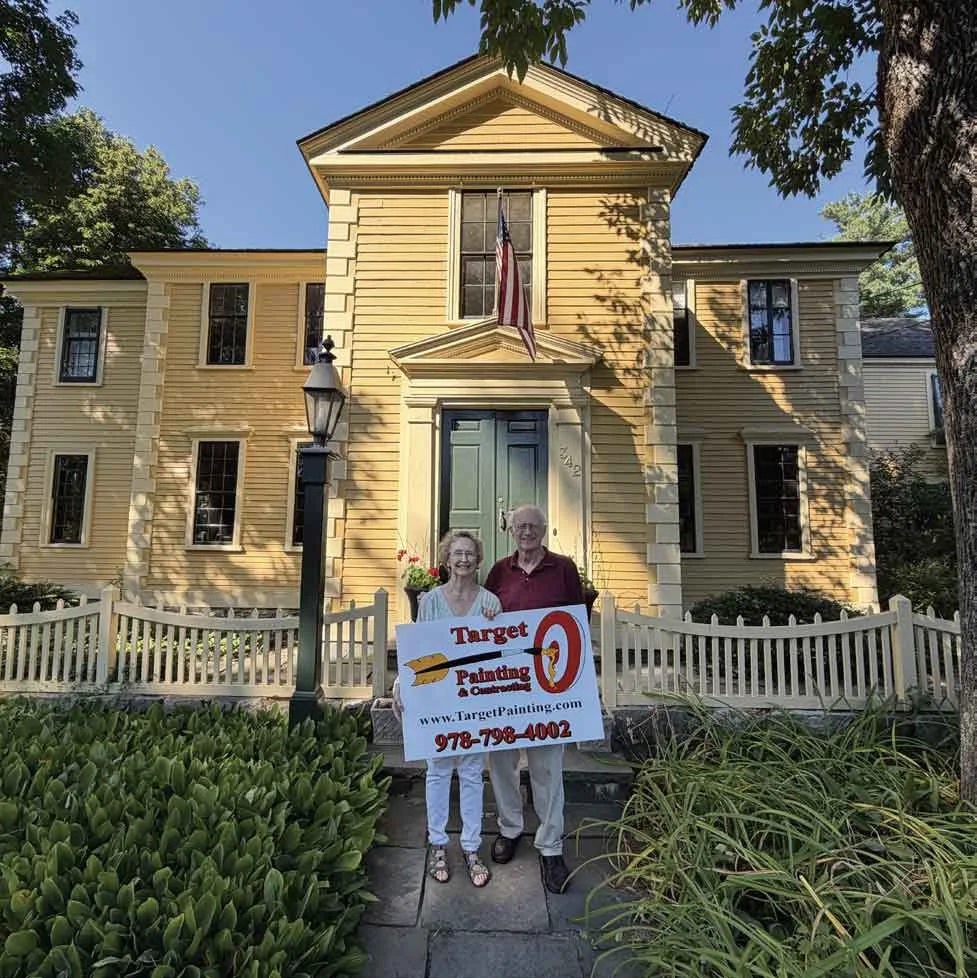
In Concord, caring for an old house can mean caring for a piece of American history.
That was certainly true when Target Painting was called to work on the historic Daniel Chester French House, built around 1787. French became on of America’s most celebrated sculptors. His Minute Man statue, unveiled at Concord’s North Bridge in 1875, became an American icon; decades later, he created the monumental statue of a seated Abraham Lincoln for the Lincoln Memorial in Washington, DC.