
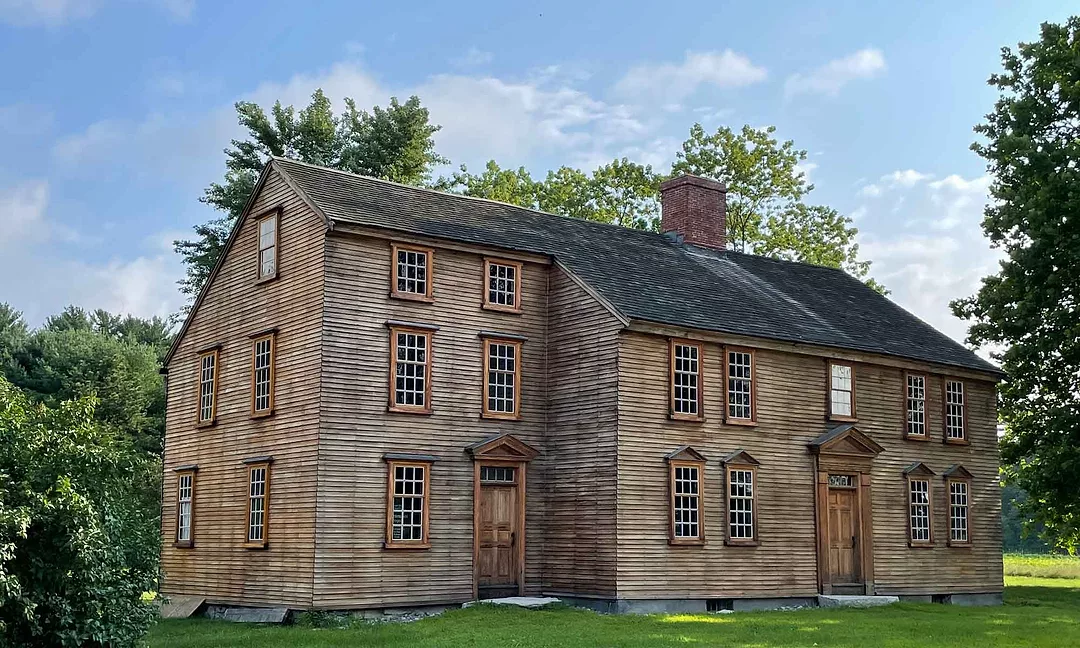
Standing along the storied Battle Road lie the “witness houses” of April 19, 1775, homes that stood as silent observers to the opening shots of the American Revolution. These homes tell the stories of ordinary people who played extraordinary roles in shaping history.
Each house represents a unique perspective on the day the colonies rose in defiance of British rule. From the Colonel James Barrett House, where hidden munitions were successfully relocated just days – and even hours - before the arrival of British troops, to the Major John Buttrick House, home of the man who issued the historic command, “Fire, fellow soldiers! For God’s sake fire!,” these homes echo with tales of resourcefulness and bravery.
The Old Manse captures the Emerson family’s view of the Revolution from their windows, while the Hartwell Tavern and the Samuel Hartwell House provide glimpses into community resilience along the Bay Road. The Jacob Whittemore House reminds us of the families caught in the crossfire, while Meriam’s Corner and the Samuel and Job Brooks Houses speak to the courage of townsfolk who transformed the British retreat into a long-running battle.
These homes witnessed acts of defiance, sacrifice, and humanity—from Rebecca Barrett’s cold hospitality to Catherine Smith’s care for a wounded enemy soldier. The home of Captain William Smith not only tells the story of Smith’s leadership that day, but the sacrifice of Cato, a young man, enslaved, who gave his life in the American Revolution. Together, they form a mosaic of lived experiences, demonstrating how the Revolution was fought not only by armies but also by farmers, families, and enslaved individuals seeking freedom.
Colonel James Barrett House: Safeguarding Weapons in the Fight for Freedom
Built in 1705 and standing about two miles from the North Bridge, there is a wooden farmhouse that was once the home of Colonel James Barrett and his family.
A veteran of the French and Indian War, Barrett served as a Concord legislator from 1768 to 1777 and as Concord’s delegate to the Provincial Congress in 1774. He was commissioned as a colonel in command of a Middlesex Militia Regiment and was tasked by the Provincial Congress with safeguarding much of the colony’s military supplies hidden in Concord. Among the military supplies were four brass cannons which colonists had smuggled out of British-controlled Boston and reportedly hidden at the Barrett farm.
On April 19, 1775, a contingent of about 120 British Regulars (of the 700 British troops in Concord) arrived at the Barrett house, searching for artillery and ammunition. Colonel Barrett had already left to join the gathering militia units. Barrett’s wife, Rebecca, gave them permission to search, warning them they would find nothing.
Fortunately, colonists had removed the military supplies from the house, hiding them in nearby fields, and the cannons had been relocated to Groton, Massachusetts. Thanks to this preemptive action, the British soldiers found few signs of munitions at the Barrett household.
During the search, some officers, weary and hungry, asked Rebecca Barrett for breakfast. She gave them food and drink, remarking coldly, “We are commanded to feed our enemy if he hunger.” When the soldiers attempted to pay, she rebuked them, saying, “This is the price of blood.”
Colonel Barrett’s farm remains a symbol of resourcefulness and defiance, highlighting the pivotal role ordinary citizens played in thwarting British efforts during the early days of the Revolution.
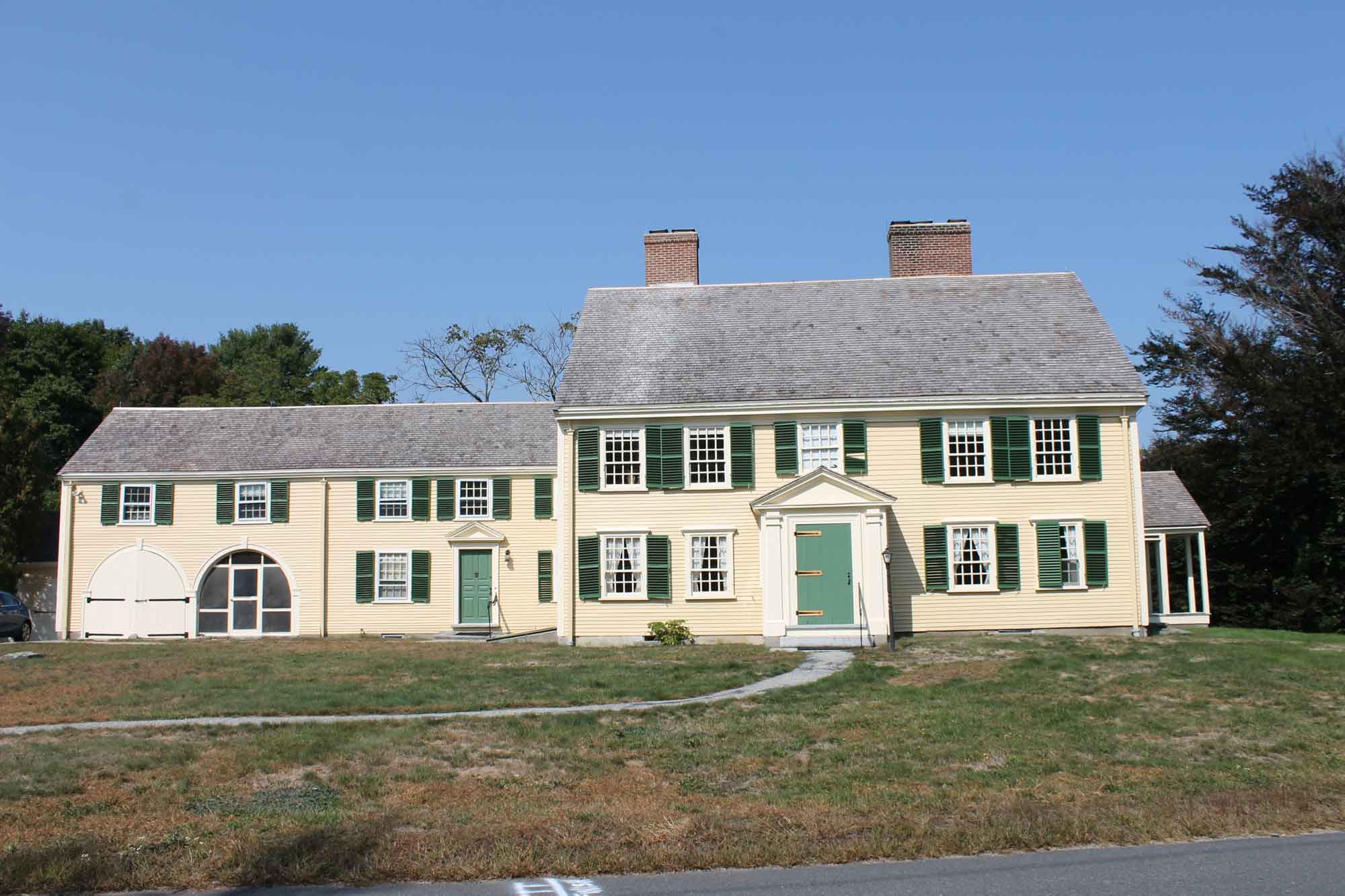
Major John Buttrick House
| Courtesy of the National Park ServiceMajor John Buttrick House: A Defining Moment of Defiance
Near the historic North Bridge in Concord, Massachusetts, stands a house that holds a profound connection to American history. Built between 1710 and 1717 by Jonathan Buttrick, it was later inherited by his son, John Buttrick. In 1760, John married Abigail Jones and together they raised ten children in this house.
John Buttrick, a respected farmer and town leader, was known for his active role in local governance, including holding town positions as fence viewer, field driver, surveyor, and a three-year tenure as town constable. However, it was his military leadership that etched his name into history. At the age of 44, Major John Buttrick held command in the Concord militia during a pivotal moment on April 19, 1775.
As British troops fired on advancing colonial forces at the North Bridge, it was Buttrick who issued the historic command, “Fire, fellow soldiers! For God’s sake fire!” This marked the first time colonial forces returned fire on British Redcoats, igniting the American Revolution. Buttrick’s decisive leadership transformed a local skirmish into a defining moment of defiance against British rule.
The bodies of militiamen Isaac Davis and Abner Hosmer of Acton, killed in the first volley of shots at the North Bridge, were brought to the Buttrick house after British troops left the area.
Today, Major Buttrick’s legacy stands as a testament to courage and conviction, reminding us of ordinary individuals whose actions shaped the course of history. His command not only rallied his militia but also inspired a nation to fight for its independence.
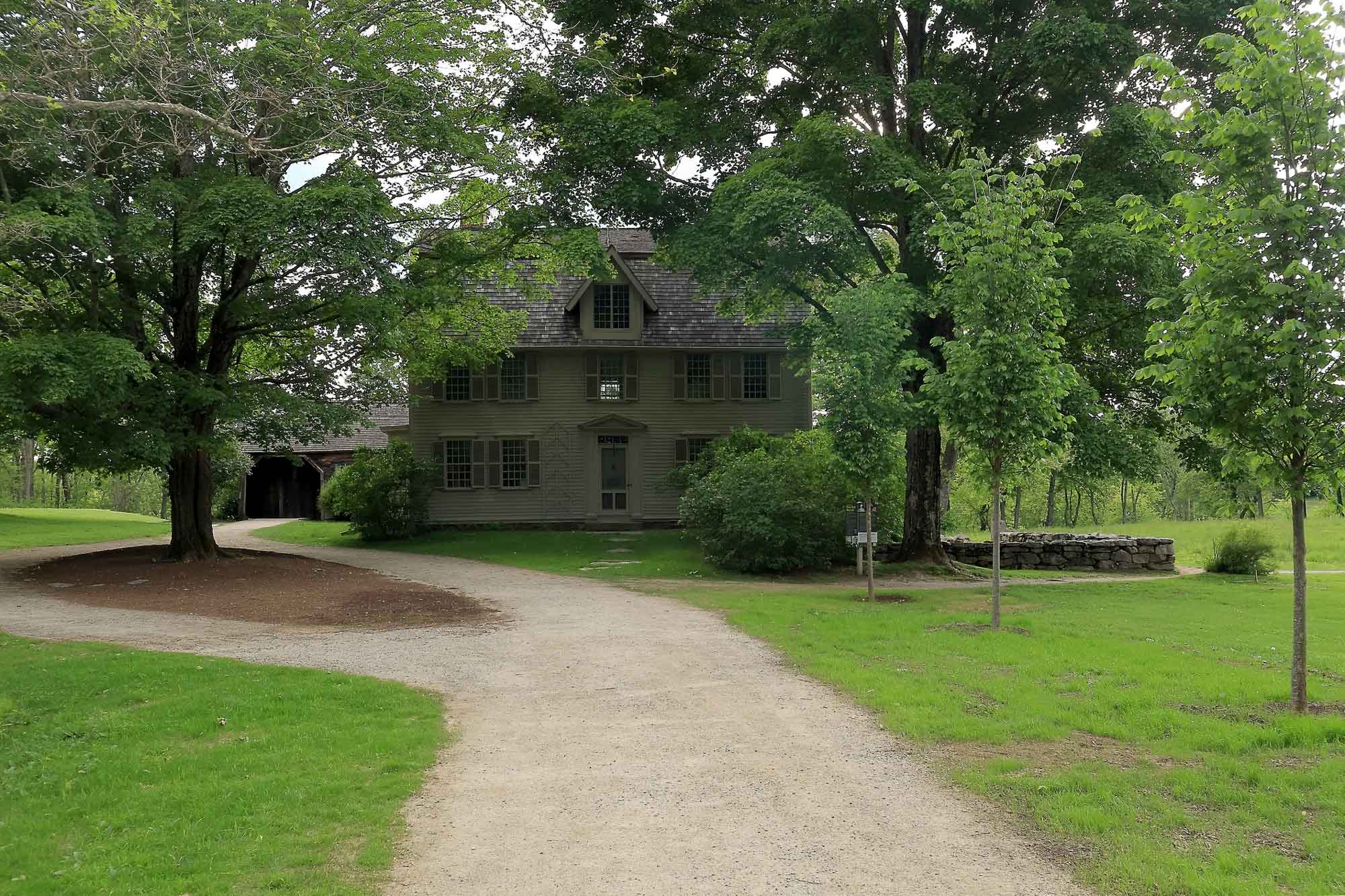
The Old Manse
| ©istock.com/FainaGurevichThe Old Manse: Witness to Two Revolutions
This Georgian-style home on the banks of the Concord River has witnessed not one but two revolutions. Reverend William Emerson built the house in 1770 as a home for his growing family. Emerson was well known for his fervent support of the call to revolution, promoting opposition to British rule from his pulpit. In March 1775, he exhorted the Concord minute and militia companies during a muster: “Arise! my injured countrymen! and plead even with the sword, the firelock and the bayonet, plead with your arms the birthright of Englishmen, the dearly-purchased legacy left you by your never-to-be-forgotten Fathers…”
Just one month later, on April 19, 1775, the Emerson family watched history unfold from their upstairs windows as the Battle of the North Bridge erupted nearby. Colonial forces used the surrounding fields to muster and plan their stand against British troops.
Young Mary Moody Emerson, just eighteen months old during the battle, would later joke she had been “in arms at the Concord fight,” referring to her mother holding her tightly as they watched the critical battle.
In later years, authors, artists, and thinkers such as Ralph Waldo Emerson, Henry David Thoreau, Nathaniel Hawthorne, Sophia Peabody Hawthorne, Bronson Alcott, and others would live at or visit The Old Manse. This gathering of minds gave rise to Transcendentalism, a movement that shaped American thought and literature.
From the birth of independence to the blossoming of ideas, The Old Manse remains a timeless symbol of courage, creativity, and transformation.
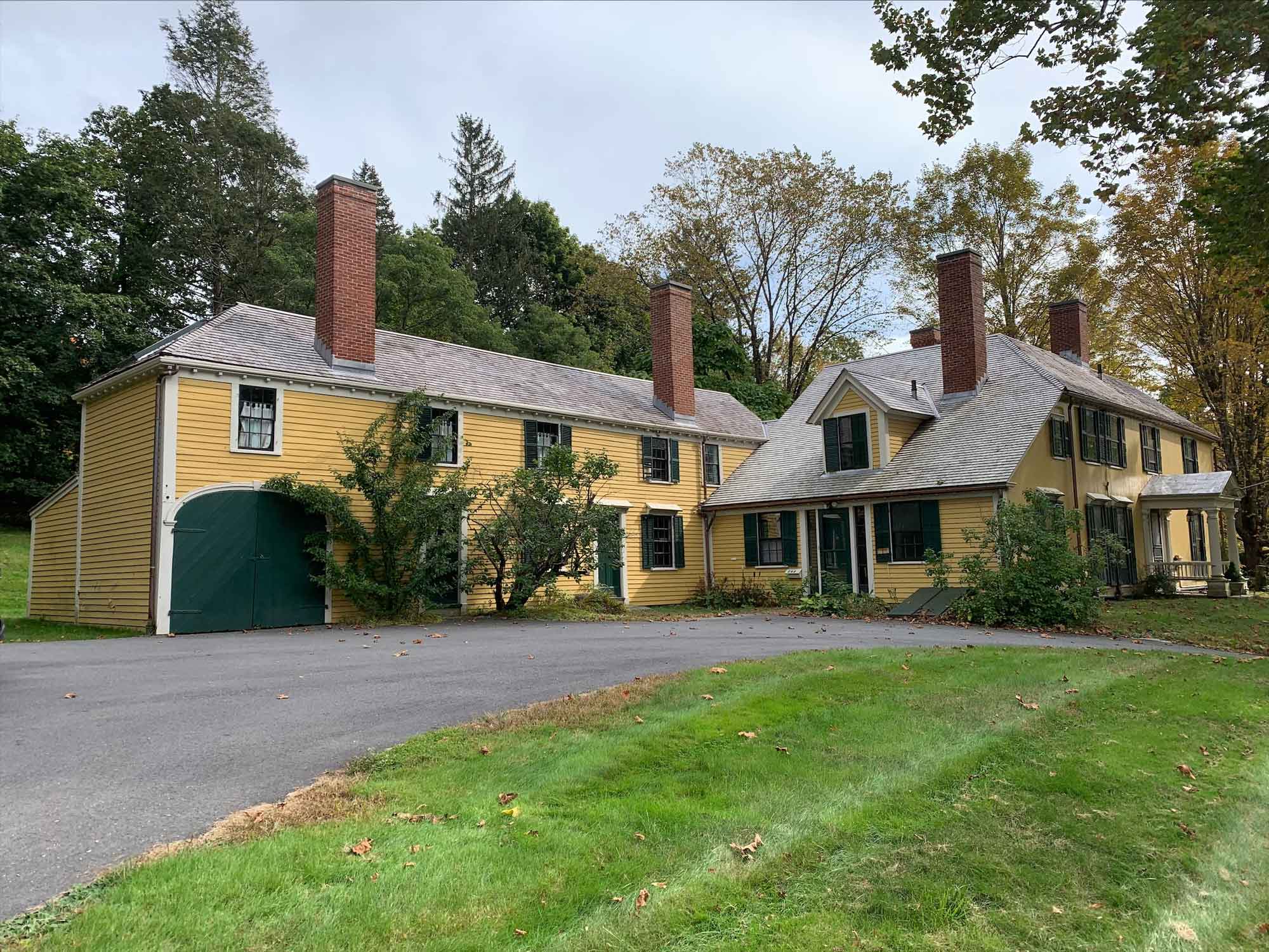
Elisha Jones House
| Courtesy of the National Park ServiceElisha Jones House: The Bullet Hole House
Built in 1740 by Thomas Jones, this historic home and its surrounding land—including a successful blacksmith shop—was inherited by Thomas’ son, Elisha, in 1774. Elisha and his wife, Elizabeth Farrar, raised their six children here.
Like many men in these times of mounting tension with England, Elisha was an active member of the colonial militia, rising to the rank of lieutenant in the Concord Light Infantry Company. Early histories of Concord report that Elisha helped to hide military supplies in anticipation of a coming war.
On April 19, 1775, British Redcoats marched from Boston to Concord, determined to seize hidden munitions. After a fruitless search of Concord and a disastrous battle at the North Bridge, the British army began its retreat. Legend has it that a retreating soldier fired his musket at Elisha Jones who was watching the retreat from near his home. The shot missed Elisha and lodged in the wall of his shed. As a result, Elisha Jones’ home became known as “the bullet hole house,” a testament to its place in history.
Although it is not known why Elisha did not fight with the town militia on that day, he did fight for the Patriot cause later in the war. In 1776 and again in 1778, he enlisted with Captain Joseph Hosmer’s company, fighting on behalf of independence.
After the war, Elisha returned to his home, living out his days surrounded by his family and the echoes of a revolutionary era. He passed away in 1810, leaving behind a home marked by a shot that didn’t quite hit its mark.
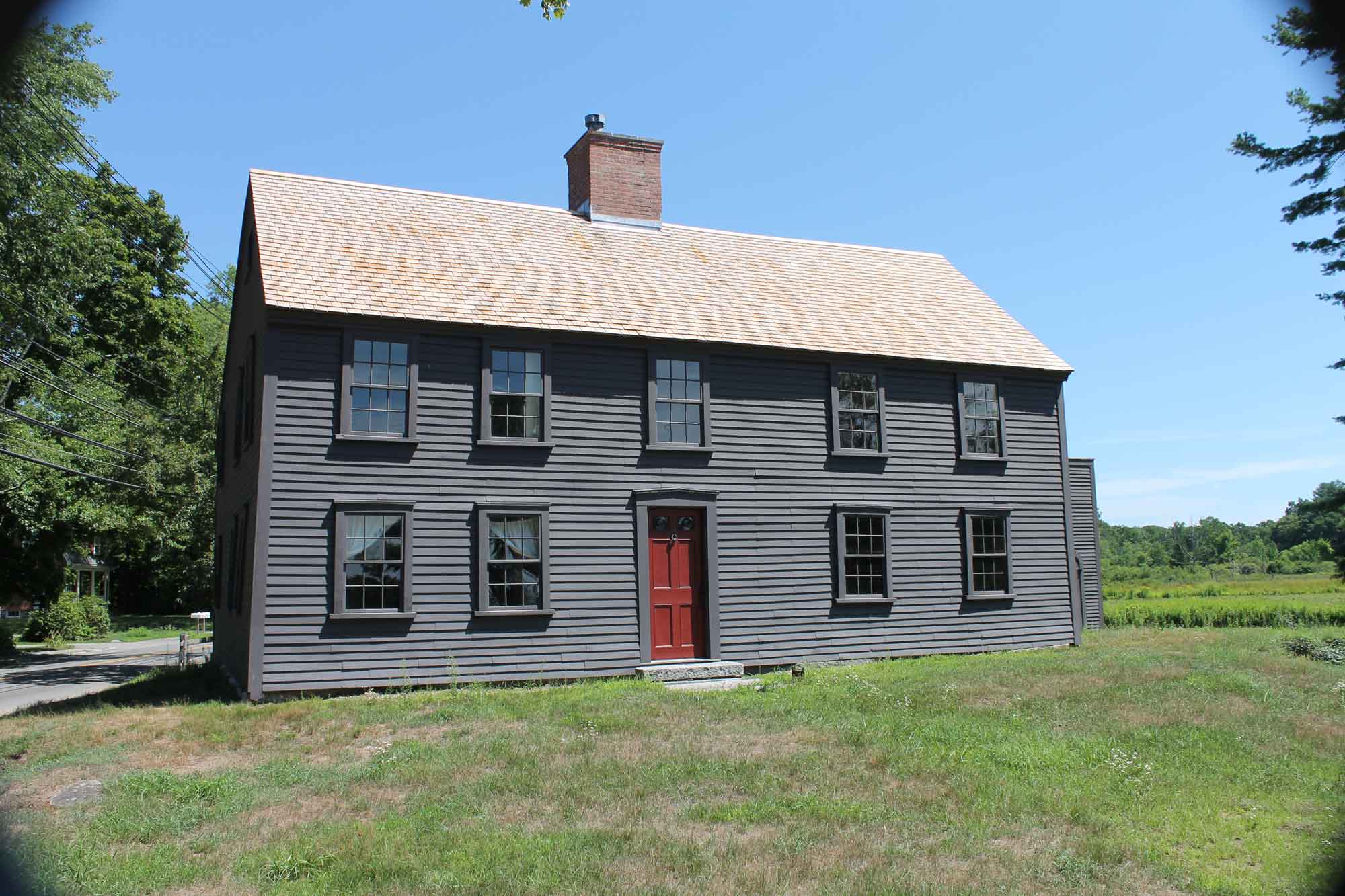
Nathan Meriam House
| Courtesy of the National Park ServiceNathan Meriam House: A Point of Convergence
Built in 1705 at the crossroads of Lexington and Old Bedford Roads, the Meriam House was home to Nathan Meriam and his family during the pivotal events of April 19, 1775. By then, Nathan, his wife Abigail, both of whom were in their fifties, and their seven children (aged 11 to 29) lived at this historic property. Nathan Meriam was a successful farmer and Concord town selectman. The area would come to be known as Meriam’s Corner.
Meriam’s Corner became a crucial site in the aftermath of the battle at the North Bridge. Following that iconic battle, British Redcoats began their retreat toward Boston. It was here, in the fields and woodlots surrounding the Meriam House, that colonial resistance intensified. Militiamen from the nearby towns of Reading, Chelmsford, and Billerica converged on this location, launching relentless attacks on the retreating British forces.
The engagement at Meriam’s Corner marked the beginning of a 20-mile running battle that continued all the way back to Boston. With each mile, the ranks of the colonial militia swelled, and the British faced mounting resistance. Ensign Jeremy Lister of the 10th Regiment of Foot recorded this account of the running battle: “immediately as we descended the hill into the Road the Rebels begun a brisk fire but at so great a distance it was without effect, but as they kept marching nearer when the Granadiers found them within shot they returned their fire…it then became a general Firing upon us from all Quarters, from behind hedges and Walls we return’d the fire every opportunity which continued till we arriv’d at Lexington…”1
Meriam’s Corner stands today as a symbol of determination and unity.
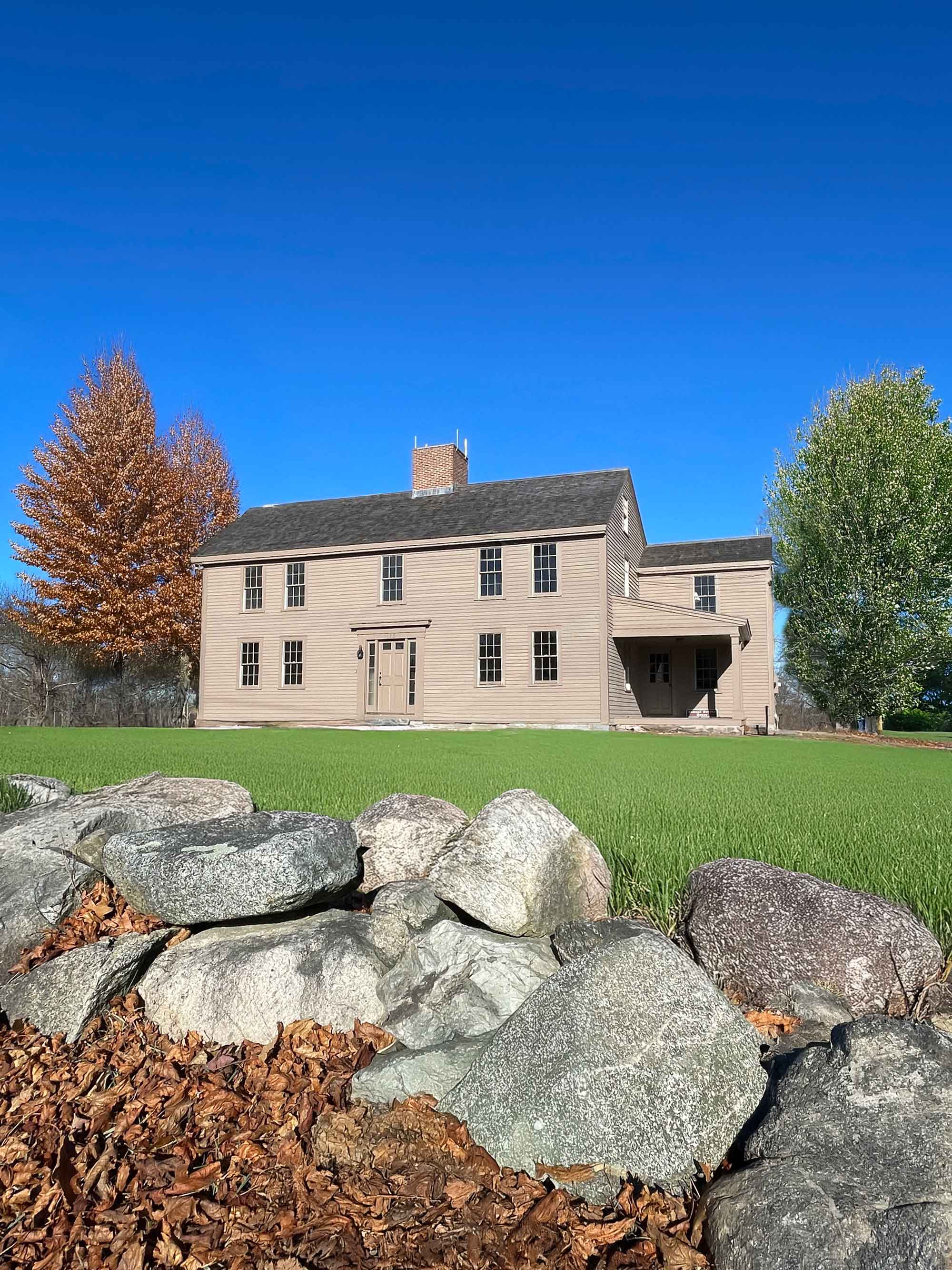
Samuel Brooks House
| © Voyager PublishingSamuel Brooks House: A Devastating Crossfire
The land on which the Samuel Brooks House sits had been in the Brooks family since 1692 when British Regulars marched past on April 19, 1775. By that time, the area had come to be known as Brooks Hill and the community of houses on it as Brooks Village. Samuel Brooks and his widowed mother lived in the home.
While the records of the Concord militia companies are incomplete for April 19, 1775, it is more than likely that Samuel fought alongside his neighbors that day.
As the British Regulars marched to Concord intent on confiscating hidden weapons, they followed the Bay Road through the center of Brooks Village at about 6:00 am that historic day. Later that afternoon, around 1:00 pm, the British passed through again as they retreated to Boston, under relentless attack from colonial militia and minutemen.
Loammi Baldwin, leader of the Woburn militia, described how his men rested on Brooks Hill until spotting the advancing Regulars. They then moved into a wooded area just east of Brooks Village where the Bay Road curved sharply—a location now infamous as the Bloody Angle. There, Baldwin’s troops unleashed a devastating crossfire, joined by militia from neighboring towns who had crossed Joshua Brooks’ tannery field to attack from the west.
The battle was fierce and bloody. Eight British soldiers and three colonists lost their lives at the edge of Brooks Village, with many more wounded. This skirmish, etched into the story of Brooks Hill, underscores the bravery and sacrifice of ordinary people who defended their homes and liberty on that unforgettable day.
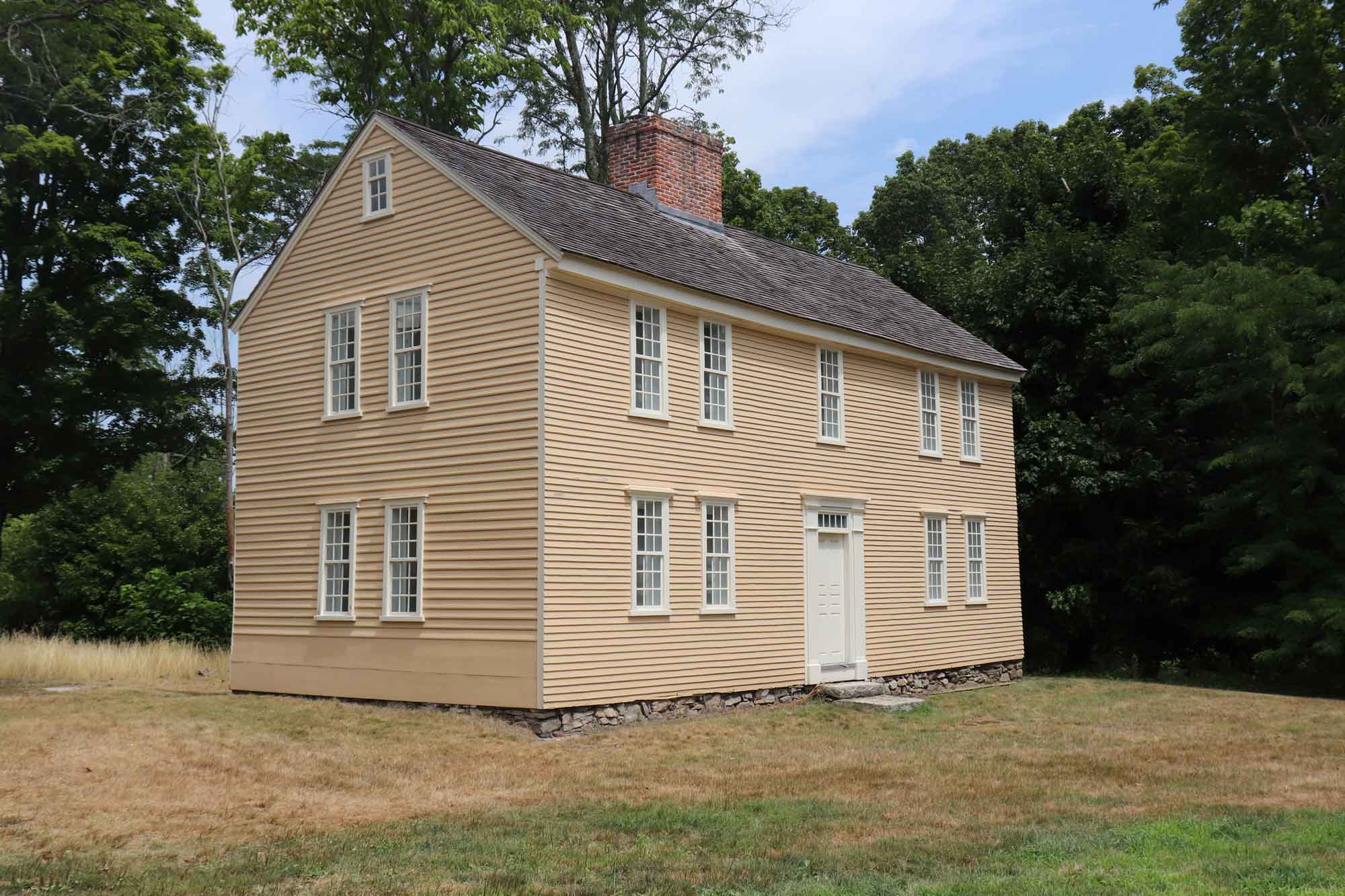
Job Brooks House
| Courtesy of the National Park ServiceJob Brooks House: Keeper of History
Just east of the Samuel Brooks House stands the historic Job Brooks House. Built in 1740 by Job Brooks, this was home to Job and his wife, Anna Bridge, and their three children: Mathew, Asa, and Anna. Job’s widowed mother lived here as well from 1747 until her death in 1761. Mathew married and moved to Littleton, MA, in 1766. Asa and his wife, Ruth, also lived here following their marriage. Like the Samuel Brooks House, this home was part of Brooks Village.
On April 19, 1775, the British army’s march to and from Concord passed directly through Brooks Village. Job Brooks, then 58 years old, was nearing the age when militia service was no longer mandatory, but Asa, only 30 at the time, would have been drilling with the militia regularly.
Records of the Concord militia companies are incomplete for that day, so we don’t know if Job or Asa fought in the day’s battles. Records of the time do show Asa was a sergeant in Captain George Minot’s militia company in 1776 and 1778.
Today, the Job Brooks House is a gateway to history in another way. It now serves as a storage facility for Minute Man National Historical Park, safeguarding more than a quarter-million artifacts. These treasures span an incredible timeline—from the early Archaic period, about 10,000 years ago, to the 20th century—offering a rich connection to America’s past.
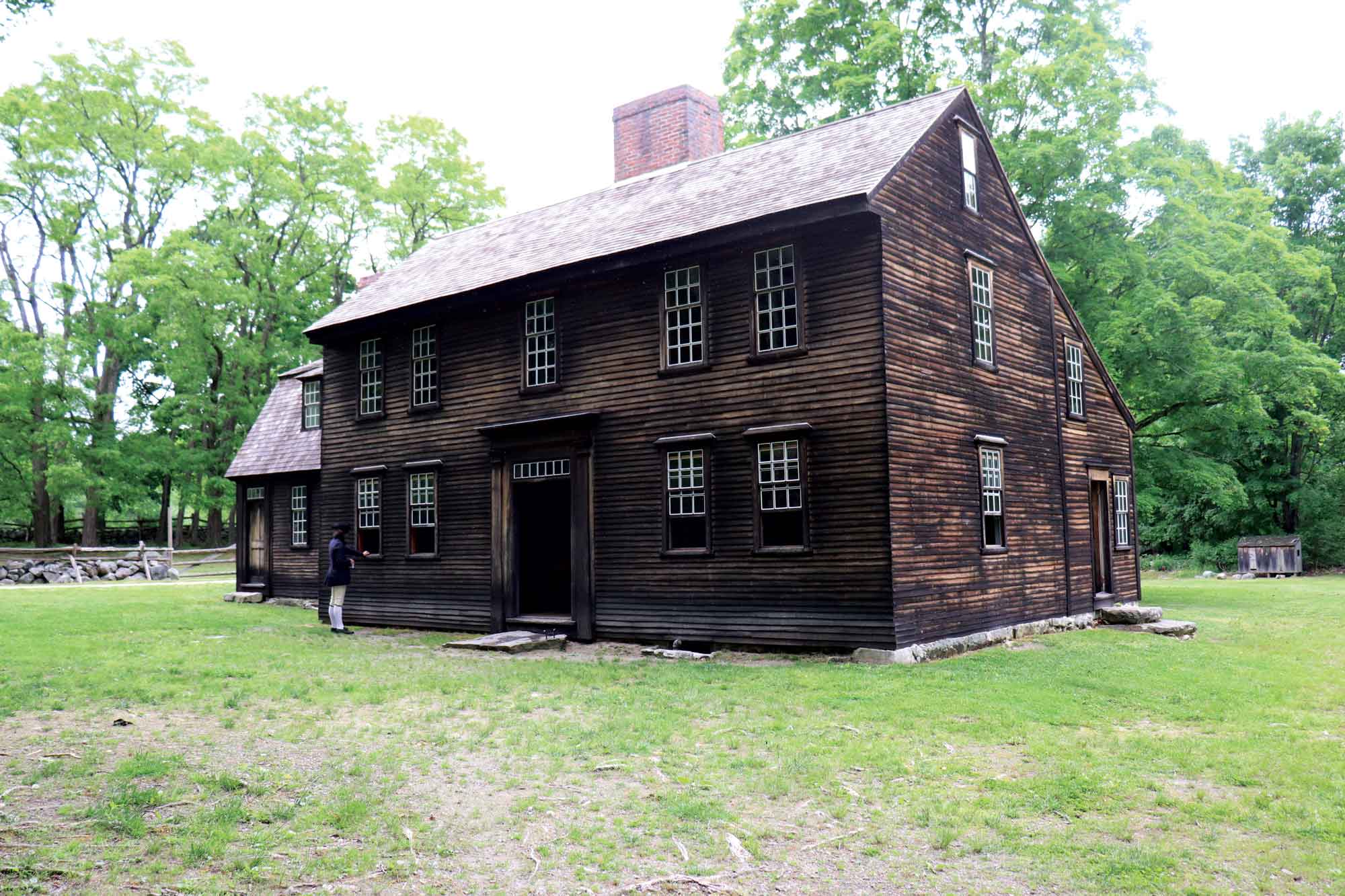
Hartwell Tavern
| Courtesy of the National Park ServiceHartwell Tavern: Meeting Place Along the Bay Road
Hartwell Tavern was built between 1732-1733. When Ephraim and Elizabeth Hartwell married in 1732, Ephraim’s father, Samuel, gave them a new house surrounded by 18 acres of land, as well as 12 additional acres elsewhere (30 acres total). This new house became home to their growing family, which by 1756 included nine children. That same year, Ephraim secured a license to open part of their home as an inn. Perfectly situated on the busy Bay Road, travelers to and from Boston stopped here for rest and refreshment. The Hartwell family ran the inn until the 1780s.
Three of Ephraim and Elizabeth’s sons—Samuel, John, and Isaac—served in the Lincoln minuteman company under Capt. William Smith at the North Bridge on April 19, 1775. Samuel and John, both sergeants, and Isaac, a private, likely fought along the battle road later that day as the British retreated to Boston, harried by minute and militia companies. While there are no records of soldiers entering the tavern that day, the Hartwell property witnessed the turmoil of the Revolutionary War firsthand.
In the centuries that followed, the house continued to be a residence until it was purchased in 1967 by the National Park Service. As would be expected, over the years it had seen a number of changes. In the 1980s, the National Park Service restored the Tavern to its 1775 appearance, preserving its 1783 and 1830 additions. Remarkably, about 60-70% of the original structure, including the foundation, walls, and some flooring, remains intact, offering a tangible link to this historic chapter in American history.
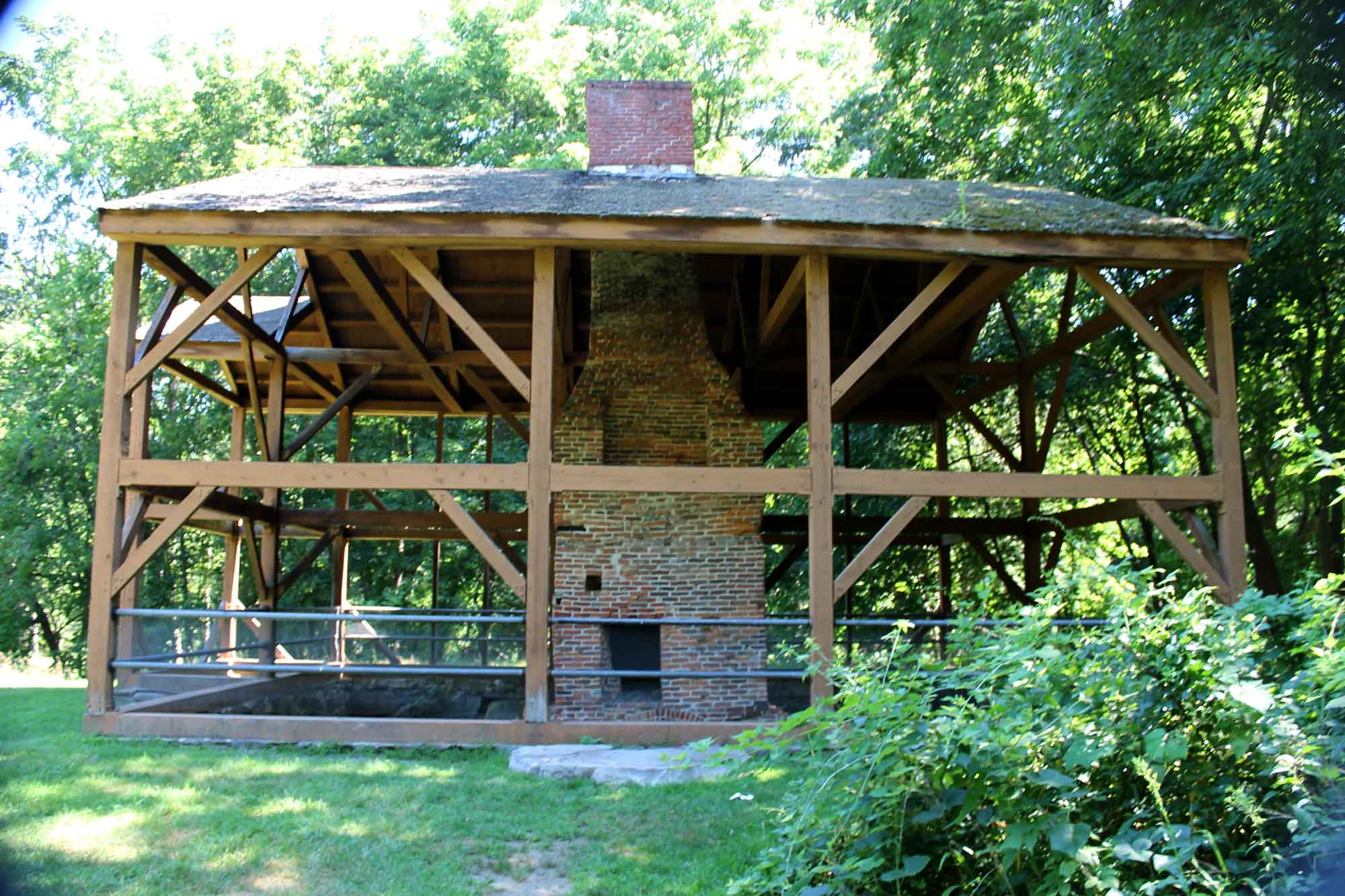
Samuel Hartwell House
| Courtesy of the National Park ServiceSamuel Hartwell House: The Grim Tasks of War
Built in the late 1690s, this historic house was originally the childhood home of Ephraim Hartwell. By 1775, it had become the home of Ephraim’s son Samuel, his wife Mary, and their three young children. The house was part of a bustling community along the Bay Road, a vital route for travelers and commerce.
Samuel Hartwell served as a sergeant in the Lincoln minutemen and played an active role in the historic events of April 19, 1775. Alongside his fellow Patriots, he fought in the battles at Concord and on the Bay Road during the British retreat to Boston.
While Samuel took up arms, Mary Hartwell stayed behind in their home, bearing witness to the dramatic and harrowing events of that day. Her vivid first-hand accounts provide invaluable insight into the day’s events. She described the early morning passage of British troops marching toward Concord and, later, the grim task of burying British soldiers who had fallen during the intense fighting in the area.
Tragically, the house was destroyed in an electrical fire in 1968, following nearly 40 years of use as a restaurant. However, the central chimney, a striking remnant of the structure, still stands. This surviving feature offers a rare glimpse into the architectural design of colonial homes, preserving a tangible connection to the Hartwell family’s legacy and the Revolutionary War era.
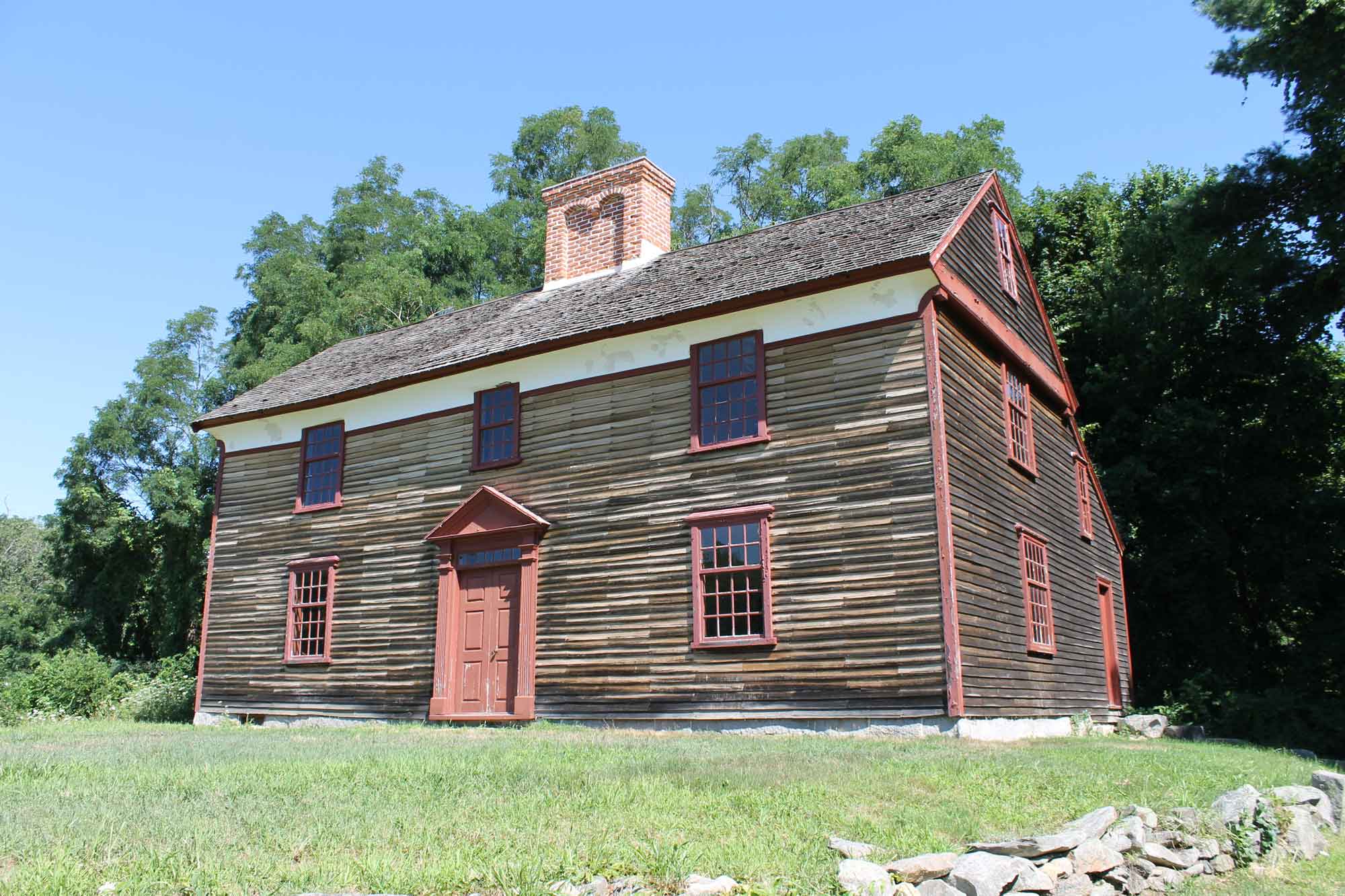
Captain William Smith House
| Courtesy of the National Park ServiceCaptain William Smith House: Leadership and Sacrifice
Perched on a grassy knoll near the battle road, stands the home of Captain William Smith. Built around 1692, the house has been restored by the National Park Service to reflect its appearance on April 19, 1775, when Captain Smith led the Lincoln minutemen into battle.
On that historic day, news of British Regulars marching from Boston to seize military supplies in Concord reached Captain Smith. He sounded the alarm, rallying his fellow townsmen to arms. He and the Lincoln minutemen played a key role in the American Revolution’s first offensive action at Concord’s North Bridge and later engaged the British troops as they retreated toward Boston.
Around 1:30 pm, the running battle passed near Smith’s home. A wounded British soldier was entrusted to the care of Captain Smith’s wife, Catherine Louisa. Despite her efforts and the help of Lexington physician Joseph Fiske, the soldier succumbed to his wounds within a few days and was buried near the farmhouse.
The Smith household also included Cato, a young Black man in his 20s enslaved by the family. Though there is no record of Cato’s involvement on April 19th, we know that he enlisted in the 6th Massachusetts Regiment just five days later. He reenlisted in the summer of 1776 but tragically died in camp just a few months later at New Castle, New York, in January 1777.
Whether or not Cato was still enslaved during his military service is unclear. What is important, though, is that Cato served and gave his life in the Continental Army. He was one of 2,100 Black men from Massachusetts who served during the American Revolution, and he paid the ultimate price.
Captain Smith’s home serves as a poignant reminder of the lives intertwined with the fight for American independence, from soldiers and their families to those whose contributions were shaped by the realities of enslavement.
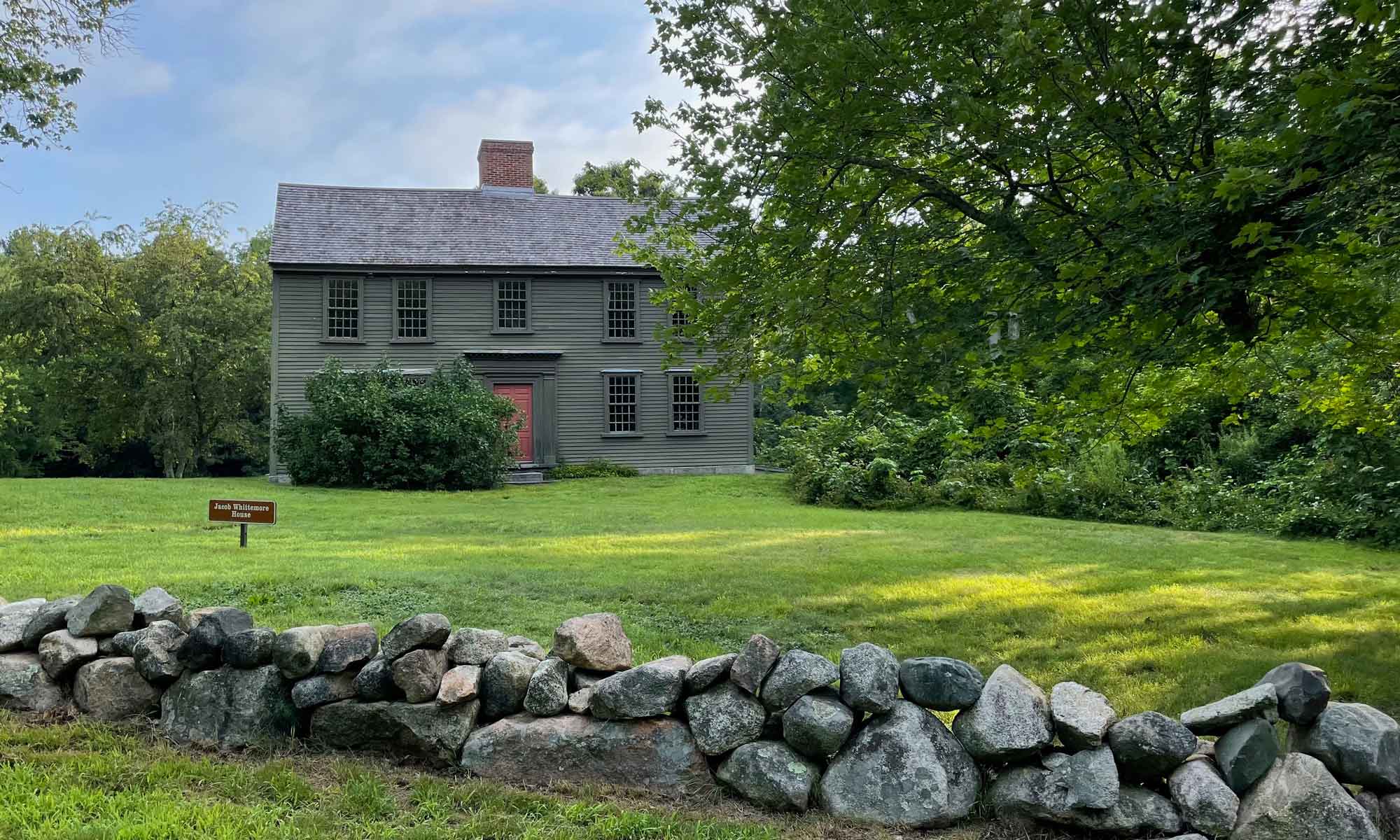
Jacob Whittemore House
| Courtesy of Freedom’s Way National Heritage AreaJacob Whittemore House: Protect the Children
The Jacob Whittemore House is the only April 19th witness house in the park that is in the town of Lexington. This historic home was passed by Paul Revere during his midnight ride and later by British troops on their march to Concord and their fighting retreat to Boston that same afternoon.
Situated along the Bay Road in Lexington, in 1775 the house was home to Jacob and Elizabeth Whittemore. Their household also included their daughter, Sarah, her husband, Moses Reed, and their three young children. While neither Jacob nor Moses fought with the Lexington militia on that fateful day, both played a vital role in protecting their family. Jacob, a former militia trainee, and Moses, who would later volunteer in other Revolutionary War campaigns, carried Sarah—still recovering from the birth of her third child just 18 days earlier—and her children to the safety of a nearby woodlot as the battle neared their home.
To the west of the house, Captain John Parker led the Lexington militia in skirmishes against the retreating British Regulars. The Whittemore House, built between 1716 and 1718 by Jacob’s father, Nathaniel Whittemore, remained in the family until it was sold in 1780.
Today, the Jacob Whittemore House serves as a poignant reminder of the ordinary families whose lives were upended by the extraordinary events of the American Revolution.
Sources:
National Park Service and Freedom’s Way National Heritage Area.
Notes:
1 Jeremy Lister, Concord Fight: Being so much of the Narrative of Ensign Jeremy Lister of the 10th Regiment of Foot as Pertains to his Services on the 19th of April, 1775, and to his Experiences in Boston during the Early Months of the Siege, (Cambridge: Harvard University, 1931), 69-70.