Many years ago, I studied the ancient bardic tradition in Scotland with one of the last living bards. To be a true bard would have meant a lifetime of study, and my time with this bard was just a glimpse into the Celtic tradition of history keeping.
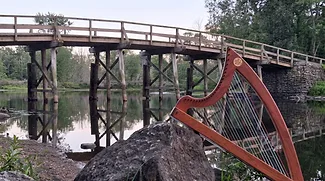
The traditional opening line of a bardic tale, “In the times before history,” indicated a story from before the written word existed. The bards were among the Celtic world’s early historians, learning verbatim from other bards the passed-down histories of their regions, memorizing the genealogies of kings and noble houses (establishing the rights of succession), and preserving current events by composing their own tales of honor, treachery, and all that occurred in between. Many bards were harp players and would accompany their tales with strains from metal or gut harp strings.
Your palm is crossed by unique flowing lines that fortune tellers link to your fate. But what if that fate passed through your hand to someone else? In a poem he wrote in childhood, Nathaniel Hawthorne mused, “Oh could I raise the darken’d veil, which hides my future life from me. Could unborn ages slowly sail, before my view—and I could see my every action painted there, to cast one look I would not dare.”
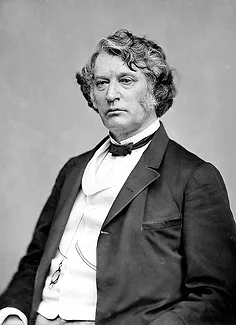
This is the story of a letter that survived time to link together a centuries-long quest for liberty, a group of red-hot abolitionists, a British woman cloaked in scandal, and a Concord house tied to the Underground Railroad. Written by Senator Charles Sumner in 1860 and making its way to Concord via Barrow Bookstore, the letter leads one to ask, “What would you do for a cause in which you believed?”
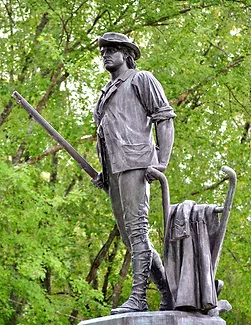
His eyes are bronze, formed in fire; and if you walk from Concord Center two blocks up Monument Street, you will find him staring at you from where he stands high atop a granite base, overlooking the North Bridge battle site and the straight gravel path from the bridge to the road. He is the Minute Man statue created by Concord sculptor Daniel Chester French, and was witness to part of the story you’re about to read.
Concord-born Henry David Thoreau is among the town’s most quoted writers. One of his best-known sentiments is telling the reader that you should “endeavor to live the life that [you have] imagined.” But not even he could imagine where part of his life’s work would end up one day.
Stand in the middle of Concord’s North Bridge with the Minute Man statue on your right and the British soldiers’ grave on your left. Place your hands on the rough wooden handrail in front of you; slightly to the left, you will see The Old Manse through the trees. Peer down into the Concord River that Ralph Waldo called “the dark stream which seaward creeps” and brace yourself: this tale is about to get rough.