
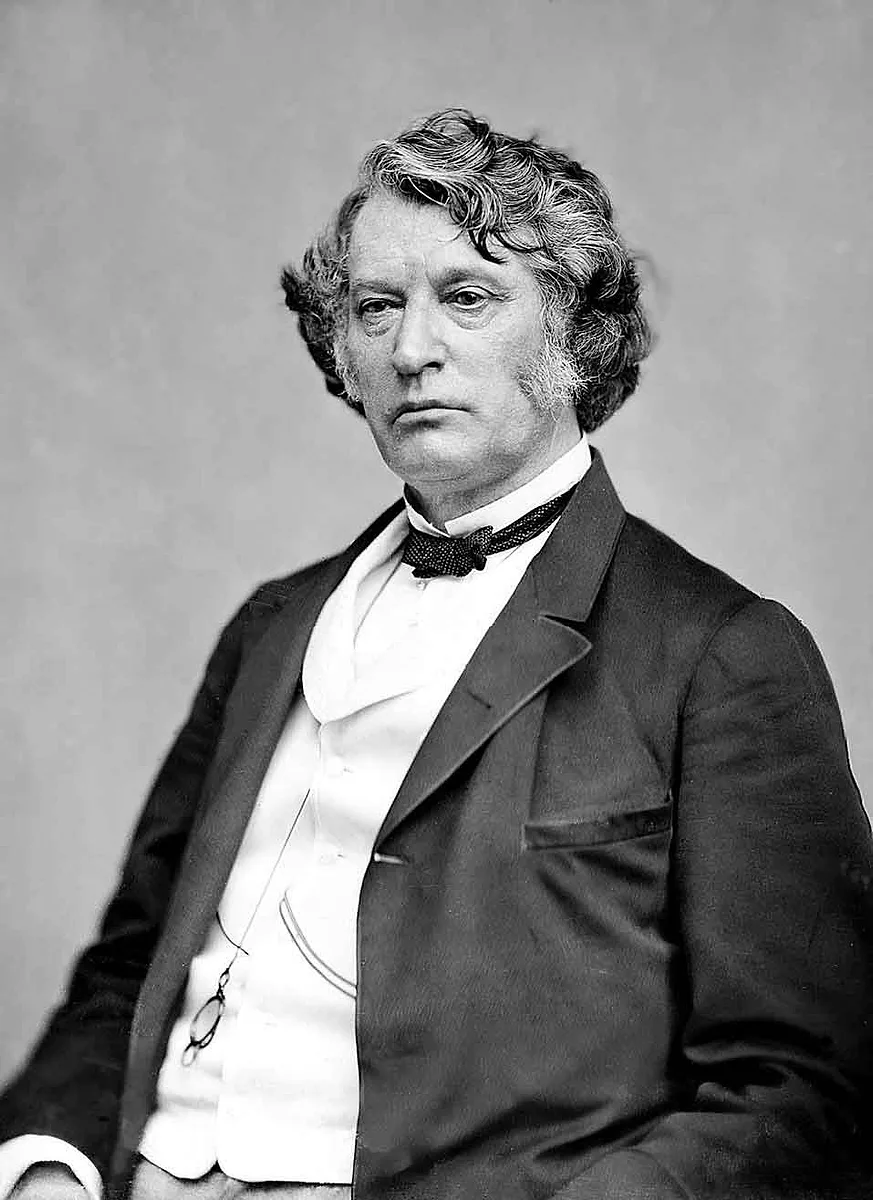
This is the story of a letter that survived time to link together a centuries-long quest for liberty, a group of red-hot abolitionists, a British woman cloaked in scandal, and a Concord house tied to the Underground Railroad. Written by Senator Charles Sumner in 1860 and making its way to Concord via Barrow Bookstore, the letter leads one to ask, “What would you do for a cause in which you believed?”
If you lived in 1775 and were sympathetic to the Patriots’ cause, you may have found yourself rushing to Concord, Massachusetts, in the early hours of April 19 in the company of Job Sumner, a Harvard College student and member of the Milton militia, responding to the alarm that the regulars were “on the march” to Concord.
Although Job arrived in Concord shortly after the fighting ended, he was drawn into the ensuing American Revolutionary War. Abandoning his Harvard studies, Job enlisted in the Continental Army, serving with distinction through the end of the war and retiring as a major.
Job’s son, Charles Pinckney, graduated from Harvard as a lawyer and became the sheriff of Suffolk County—an area encompassing Boston and its surrounding towns. Charles was an ardent antislavery advocate who ominously predicted that slavery in America would only end on a violent note. His eldest son and namesake, Charles Jr., followed in his footsteps.
 ©istock.com/Christine_Kohler
Like his father and grandfather, Charles Sumner Jr.—referred to as Sumner from here on out—studied at Harvard, graduating in 1830 before going on to attend Harvard Law School. He also continued his family’s stance of speaking out against slavery.
At the same time in Boston, in 1831, William Lloyd Garrison led a group of dedicated abolitionists to form the New England Anti-Slavery Society. Founding members included two Boston lawyers: Samuel Edmund Sewall, a cousin of Louisa May Alcott, and Ellis Gray Loring, a close friend of Ralph Waldo Emerson. Both Sewall and Loring spent the next two decades defending those involved with the Underground Railroad and abolition efforts. Loring’s wife, Louisa, joined the Boston Female Anti-Slavery Society, and their daughter, Anna, attended the meetings with her mother.
In 1845, William Lloyd Garrison and Frederick Douglass, a formerly enslaved man, traveled together to Europe and the British Isles where Douglass gave a two-year speaking tour. Attending some of Douglass’ lectures in London was Julia Griffiths, a member of the London Women’s Anti-Slavery Society. Griffiths and Douglass became close friends and confidants. In 1849, she followed Douglass back to America where she helped edit and publish some of Douglass’ writings and fundraised to keep his North Star newspaper afloat.
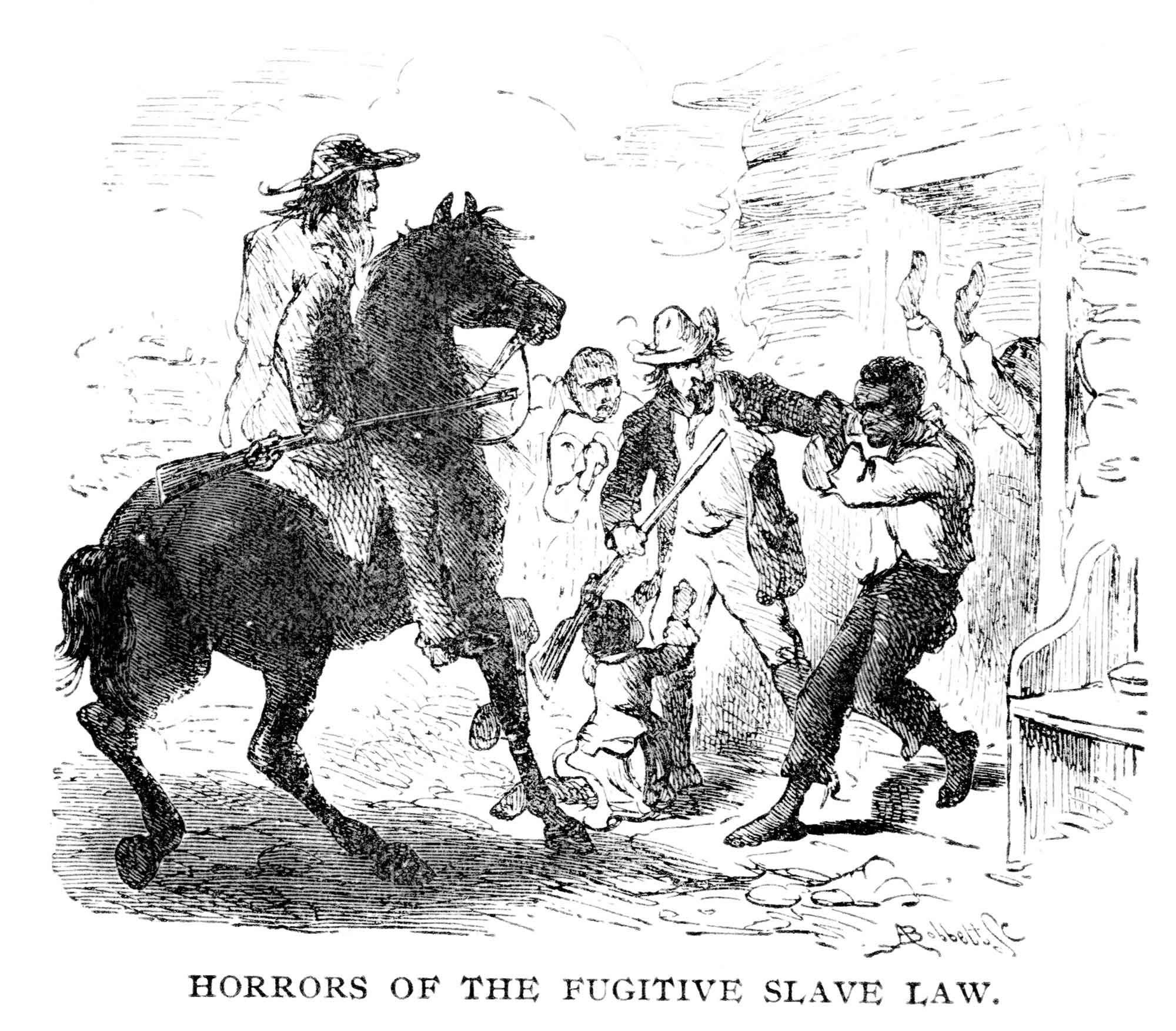
A year later, in 1850, Congress passed the Fugitive Slave Act, requiring the return of runaway slaves to their enslavers and making it a felony for anyone to assist fugitive slaves. Swift outrage ensued among abolitionists. In Boston, Ellis Gray Loring joined the antislavery Boston Vigilance Committee to help endangered runaways.
Sumner’s strong abolitionist views, including his opposition to the Fugitive Slave Act, appealed to many in Massachusetts, and in 1851, the Massachusetts legislature elected him to the United States Senate.
In the same year that Sumner moved to Washington, DC, Boston resident Shadrach Minkins—who had escaped from slavery in Virginia and was working as a freeman in Boston—was arrested under the Fugitive Slave Act. As Minkins was dragged into court for sentencing that would include a return to Virginia, lawyers came to his aid, including Ellis Gray Loring. When legal efforts failed, members of the Boston Vigilance Committee stormed the courtroom, wrestled Minkins away from the marshals, and forced their way out of the courthouse with him. Overnight, they secreted Minkins away to Concord, arriving at 3:00 a.m. at the Bigelows’ home on Sudbury Road (opposite today’s Concord Library). From there, Minkins escaped to Canada via the Underground Railroad.
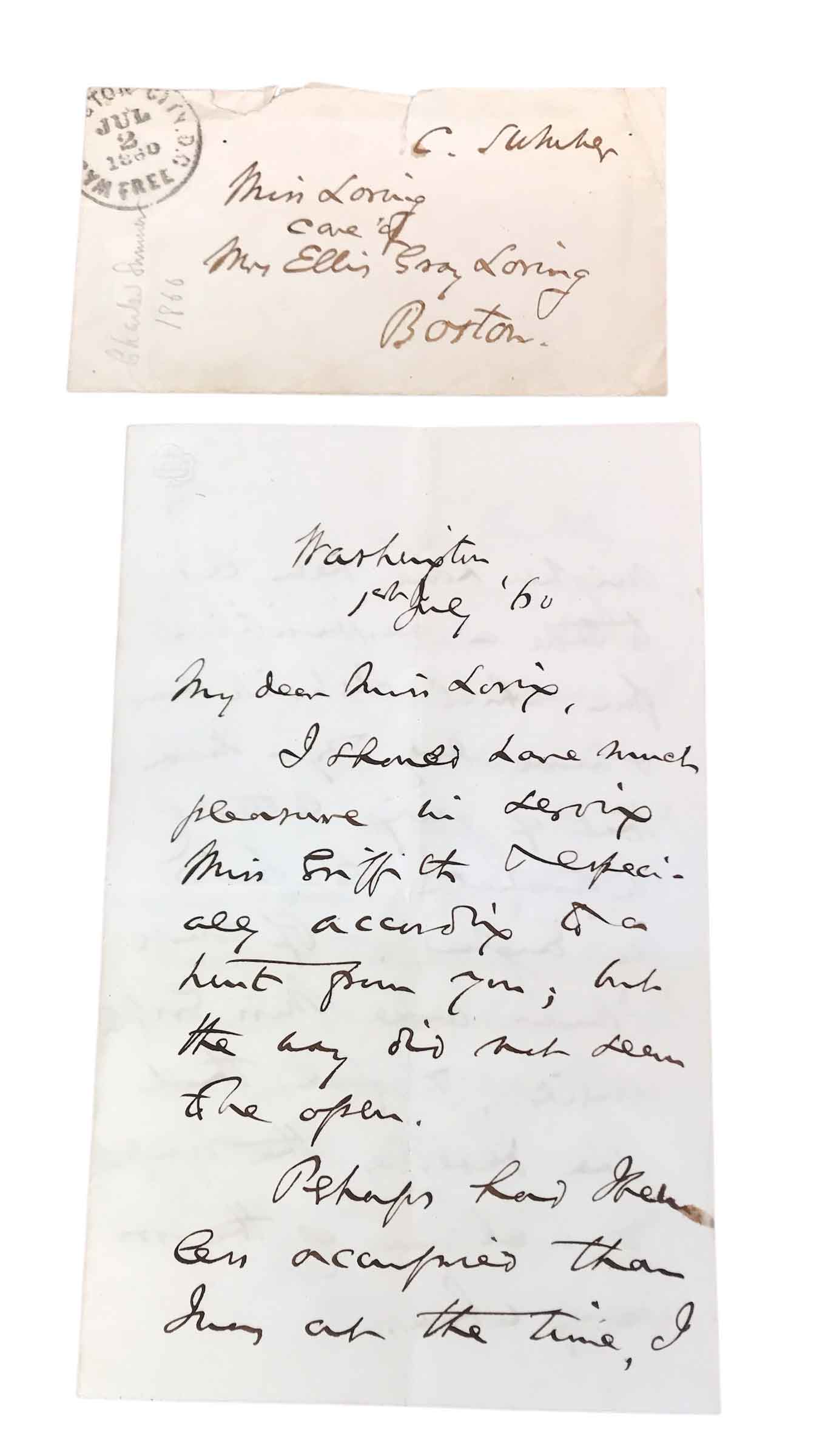 Letter by Charles Sumner. Outside, addressed to Anna Loring, shows the name “Miss Griffiths.” Inside, the letter includes the line “what I have done for the good cause.” | Photo courtesy of Barrow Bookstore
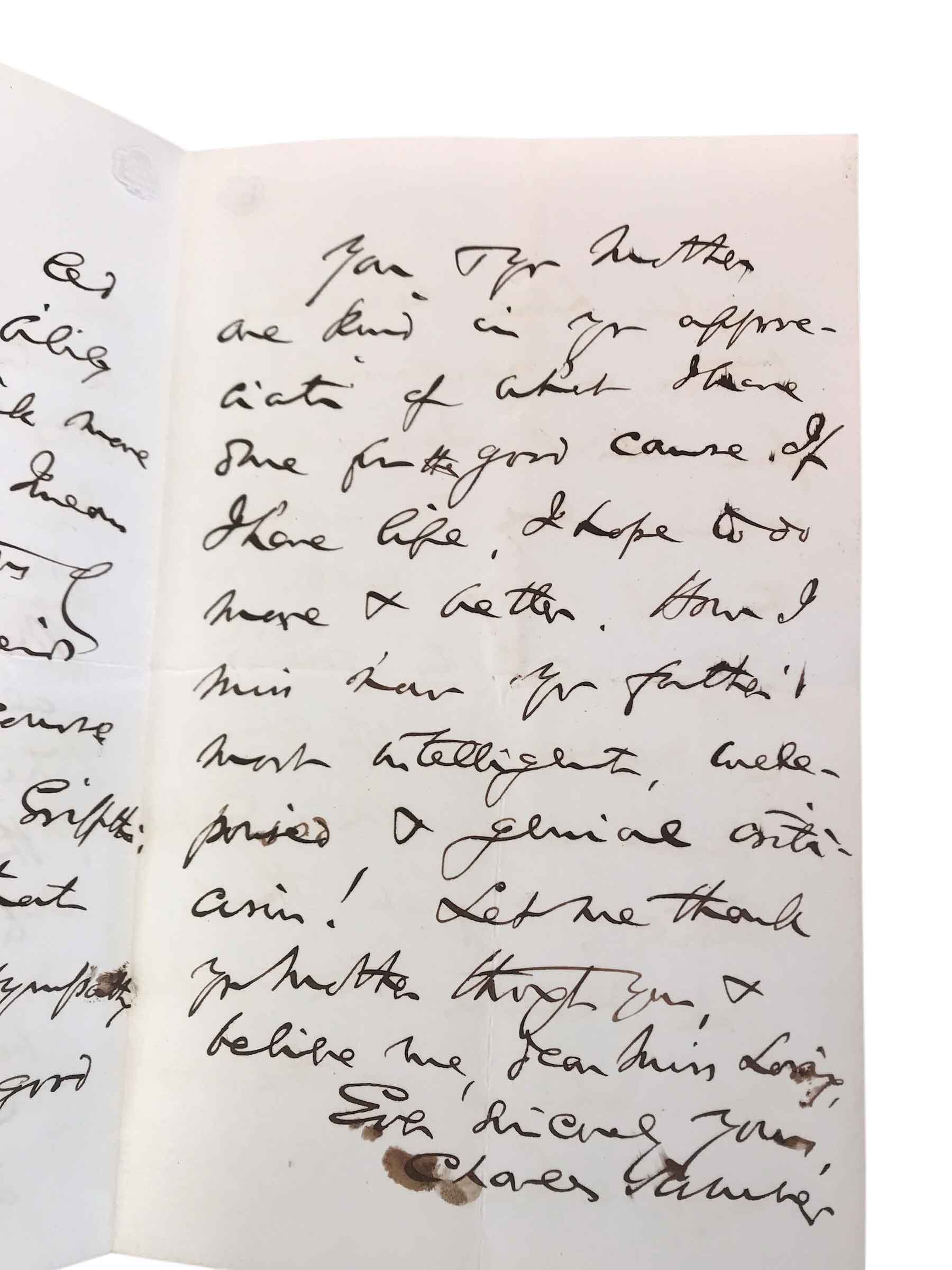 Photo courtesy of Barrow Bookstore
 As fast as Minkins had disappeared, back in Boston, the federal law wasted no time in cracking down on those who had assisted in his escape. Ellis Gray Loring once again represented the defendants.
Back in Washington, DC, tensions were heating up in the United States Senate with fiery debates between proslavery and antislavery advocates. Spectators to some of these debates included Douglass’ confidant Miss Julia Griffiths. In several 1854 letters to Douglass, Griffiths described Senator Sumner’s passionate antislavery speeches on the Senate floor.
Sumner’s advocacy for abolition came to a head following Congressional debate in May 1856 as to whether Kansas should join the Union as a slave state or free state. Sumner delivered a passionate speech titled “Crime Against Kansas,” in which he called out Senators Stephen Douglas of Illinois and Andrew Butler of South Carolina. He called Douglas a “squat, and nameless animal . . . not a proper model for an American Senator” and characterized Butler as a man lacking chivalry who had taken for a mistress “the harlot, Slavery.”
South Carolina Representative Preston Brooks did not take kindly to Sumner’s description of his fellow statesman, Butler. In response, Brooks entered the Senate chambers on May 22, 1856, carrying a walking cane. While Sumner worked at his desk, Brooks approached from behind and smashed Sumner in the head with the metal top of the cane, continuing the assault as the dazed Sumner tried to stagger away. Brooks left Sumner unconscious in a pool of blood on the Senate floor.
Sumner’s injuries were so severe that three years passed before he returned to work. Despite his inability to serve, his suffering further elevated his standing in Massachusetts, and in 1857, he was reelected. He retook his seat in Congress in 1859.
Back in Washington, DC, in 1860, Sumner penned a letter to Anna Loring that seems to be a belated reply to Anna’s request for a letter of recommendation and introduction for Miss Griffiths of England—most likely Julia Griffiths of the London Female Anti-Slavery Society and close friend of Frederick Douglass.
In his letter to Anna, Sumner expressed sorrow for the passing of Anna’s father, Ellis Gray Loring, and thanked Anna and her mother for recognizing “what I have done for the good cause” of the abolition of slavery.
Both the author and recipient of the letter, as well as the people it mentioned, continued to pursue good causes after the correspondence. For his part, Sumner—despite suffering from complications from his head injuries—remained an active senator until his death in 1873. His work deeply impacted many, including Concord’s Ralph Waldo Emerson, who hung a portrait of Sumner in his home, where it can still be seen today.
Although she returned to England, Julia Griffiths remained close friends with Frederick Douglass. Her influence on Douglass has been widely documented and judged. The American Anti-Slavery Standard newspaper referred to Griffiths as “a Jezebel whose capacity for making mischief between friends would be difficult to match,” and her relationship with Douglass was subject to public accusations by William Lloyd Garrison.
Anna Loring remained in Boston, dedicated to the cause of abolition. In 1863, she married German immigrant and pianist Otto Dresel, who had studied with Felix Mendelssohn, and when in America, set to music poems by Henry Wadsworth Longfellow and Oliver Wendell Holmes. Together, they had one son, Ellis Gray Dresel, who became the American ambassador to Germany during World War I.
Some of Anna Ellis Loring Dresel’s personal papers survived, among them, this letter tying together the tales of what people “did for the good cause.”
For a list of sources, please email BarrowBookstore@gmail.com.