Discover Concord Logo
Toggle Mobile MenuToggle Mobile Menu
Subscribe
  • Home
  • Current Issue
  • Back Issues
    • Spring 2026
    • Fall 2025
    • Spring 2025
    • Winter 2025
    • 2024 Back Issues
    • 2023 Back Issues
    • 2022 Back Issues
    • 2021 Back Issues
    • 2020 Back Issues
    • 2019 Back Issues
  • Browse Topics
    • Abolitionism in Concord
    • American Revolution
    • Arts & Culture
    • Celebrity Profiles
    • Civil War
    • Concord History
    • Concord Writers
    • First Nations People of Concord
    • Historic Sites in Concord
    • Parks & Nature
    • Patriots of Color
    • Things to See & Do
    • Transcendentalism
    • Trivia
    • Untold Stories of Concord
  • Plan Your Visit
  • Events
  • Purchase Subscriptions and Back Issues
  • Discover the Battle Road
  • 250 Collectibles
  • More
    • About Us
    • Advertise
    • Contact Us
Toggle Mobile MenuToggle Mobile Menu
Home » Authors » Maria Madison

Maria Madison

Maria Madison, Sc.D. is Co-Founder of The Robbins House and Co-President of the Board of Directors of The Robbins House. She serves as Interim Dean of the Heller School for Social Policy and Management at Brandeis University.

Articles

ARTICLES

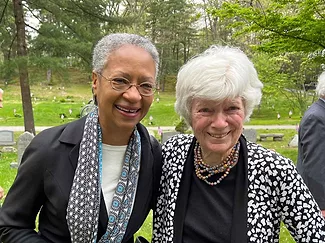
IMG_1015-cropped-1.jpg

The Founding of Concord’s Robbins House and a Debt of Gratitude

June 15, 2022
Maria Madison
No Comments

In 1976, Concordians and school administrators Barbara Elliot and Janet Jones published the text Concord: Its Black History, 1636-1860 through the Concord Public Schools. The text included photos of Black and White children visiting places associated with 19th century [and earlier] Black residents. 


Read More
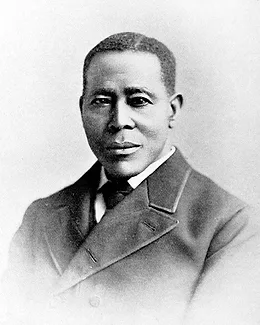
William_Still_abolitionist.jpg

The Underground Railroad: Black Heroes at The Wayside

September 15, 2021
Maria Madison
No Comments

It remains a moral, political, and economic necessity to understand America’s underground railroad’s origin and legacy.1 The Wayside in Concord, Massachusetts provides us with an inside view into this history. The Wayside is part of the National Park Service’s National Underground Railroad Network to Freedom program. The NPS program “commemorates and preserves the historical significance of the Underground Railroad which sought to address the injustices of slavery and make freedom a reality in the United States and is a crucial element in the evolution of our national civil rights movement. Inhabitants of The Wayside house have witnessed a dramatic spectrum of American history including the ongoing struggle for freedom and equality.”2

Read More

Featured Stories

  • Cover Summer26.jpg

    The Summer Issue is Here!

    As our nation celebrates the 250th anniversary of the Declaration of Independence, this issue explores the people, ideas, and stories that continue to shape its legacy. Inside, Professor Robert A. Gross offers fresh perspective in “A Referendum on Independence,” while a special foldout guide, “Following in Thoreau’s Footsteps,” invites you to explore the landscapes that inspired him. Discover an unexpected connection in “A Tale of Two Authors,” revisit the moving story of “A Hawthorne Homecoming,” and enjoy summer events, arts, and ways to experience Concord firsthand.
  • Robbins-House-15th-Anniversary-(7)-(1).jpg

    The Robbins House: Fifteen Years of History, Heritage, and Hope

    For the last fifteen years, The Robbins House has proudly told the stories of Black Concord through the lens of the Robbins and Garrison families. Originally located on an isolated farm overlooking the Great Meadows along the Concord River, the house is one of the only known historic sites commemorating the legacy of a previously enslaved Revolutionary War veteran named Caesar Robbins. 
  • Pickwick-Papers-book.jpg

    A Tale of Two Authors: Charles Dickens’ Influence on Louisa May Alcott

    Imagine admiring an author while you are growing up and then ending up in the same stratosphere of success as them. That is what happened to Louisa May Alcott, who was described by contemporaries as an ardent and enthusiastic admirer of Charles Dickens—a writer two decades her senior. Both Dickens and Alcott wrote novels, short stories, and essays; both loved the stage and pursued amateur acting; both integrated social issues into their writings; both went from using pen names to real names; and both became household names. By 1893, only Dickens’ novels were more circulated than Alcott’s in United States public libraries.
©2026. All Rights Reserved. Content: Voyager Publishing LLC. Design, CMS, Hosting & Web Development: ePublishing
Facebook Instagram