Discover Concord Logo
Toggle Mobile MenuToggle Mobile Menu
Subscribe
  • Home
  • Current Issue
  • Back Issues
    • Spring 2026
    • Fall 2025
    • Spring 2025
    • Winter 2025
    • 2024 Back Issues
    • 2023 Back Issues
    • 2022 Back Issues
    • 2021 Back Issues
    • 2020 Back Issues
    • 2019 Back Issues
  • Browse Topics
    • Abolitionism in Concord
    • American Revolution
    • Arts & Culture
    • Celebrity Profiles
    • Civil War
    • Concord History
    • Concord Writers
    • First Nations People of Concord
    • Historic Sites in Concord
    • Parks & Nature
    • Patriots of Color
    • Things to See & Do
    • Transcendentalism
    • Trivia
    • Untold Stories of Concord
  • Plan Your Visit
  • Events
  • Purchase Subscriptions and Back Issues
  • Discover the Battle Road
  • 250 Collectibles
  • More
    • About Us
    • Advertise
    • Contact Us
Toggle Mobile MenuToggle Mobile Menu
Home » Authors » Barbara Ellen Ewen

Barbara Ellen Ewen

Barbara Ellen Ewen is curator of the Ralph Waldo Emerson House website and editor of the Emerson blog, Looking Back. A licensed Concord tour guide, she guides at Emerson House and Louisa May Alcott’s Orchard House.

Articles

ARTICLES

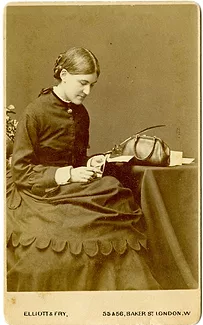
Emerson_EllenT001.jpg

The Education of Ellen Emerson

September 15, 2022
Barbara Ellen Ewen
No Comments

Ellen Tucker Emerson was the second child and eldest daughter of Ralph Waldo Emerson and Lidian Jackson Emerson. Born on February 25, 1839, she was named after Emerson’s first wife, Ellen Tucker, who was deceased.

Emerson understood the importance of education for all and ensured that Ellen was well schooled by educators, including Elizabeth Cary Agassiz, wife of biologist Louis Agassiz and a dedicated teacher who became the first president of Radcliffe College; Franklin Sanborn, Concord educator and one of abolitionist John Brown’s “secret six;” and Elizabeth Sedgwick, who founded the Sedgwick School for Young Ladies in Lenox to enable girls to expand their knowledge. By the time Ellen’s formal schooling ended in 1858, she was able to speak and translate French and German, capabilities she was able to draw on for the rest of her life.

Read More

Featured Stories

  • Cover Summer26.jpg

    The Summer Issue is Here!

    As our nation celebrates the 250th anniversary of the Declaration of Independence, this issue explores the people, ideas, and stories that continue to shape its legacy. Inside, Professor Robert A. Gross offers fresh perspective in “A Referendum on Independence,” while a special foldout guide, “Following in Thoreau’s Footsteps,” invites you to explore the landscapes that inspired him. Discover an unexpected connection in “A Tale of Two Authors,” revisit the moving story of “A Hawthorne Homecoming,” and enjoy summer events, arts, and ways to experience Concord firsthand.
  • FIRST_CHOICE_RP20260512_077.jpg

    Timothy Wheeler House: A History of Care for Concord Elders

    The Timothy Wheeler House, a Greek Revival home with a distinctive columned portico and gabled roof, has housed the Concord Home for the Aged since 1887. It was named for Timothy Wheeler, who owned the site and the land across the street where he operated a grist mill. 
  • Senator-Charles-Sumner.jpg

    What I Have Done for the Good Cause

    This is the story of a letter that survived time to link together a centuries-long quest for liberty, a group of red-hot abolitionists, a British woman cloaked in scandal, and a Concord house tied to the Underground Railroad. Written by Senator Charles Sumner in 1860 and making its way to Concord via Barrow Bookstore, the letter leads one to ask, “What would you do for a cause in which you believed?”
©2026. All Rights Reserved. Content: Voyager Publishing LLC. Design, CMS, Hosting & Web Development: ePublishing
Facebook Instagram