Discover Concord Logo
Toggle Mobile MenuToggle Mobile Menu
Subscribe
  • Home
  • Current Issue
  • Back Issues
    • Spring 2026
    • Fall 2025
    • Spring 2025
    • Winter 2025
    • 2024 Back Issues
    • 2023 Back Issues
    • 2022 Back Issues
    • 2021 Back Issues
    • 2020 Back Issues
    • 2019 Back Issues
  • Browse Topics
    • Abolitionism in Concord
    • American Revolution
    • Arts & Culture
    • Celebrity Profiles
    • Civil War
    • Concord History
    • Concord Writers
    • First Nations People of Concord
    • Historic Sites in Concord
    • Parks & Nature
    • Patriots of Color
    • Things to See & Do
    • Transcendentalism
    • Trivia
    • Untold Stories of Concord
  • Plan Your Visit
  • Events
  • Purchase Subscriptions and Back Issues
  • Discover the Battle Road
  • 250 Collectibles
  • More
    • About Us
    • Advertise
    • Contact Us
Toggle Mobile MenuToggle Mobile Menu
Home » Authors » Nancy Snyder

Nancy Snyder

Nancy Snyder is a freelance writer who, after 30 years working at the City and County of San Francisco, is now absorbed in learning everything about Henry David Thoreau. 

Articles

ARTICLES

Brooks_Mary_Merrick.jpg

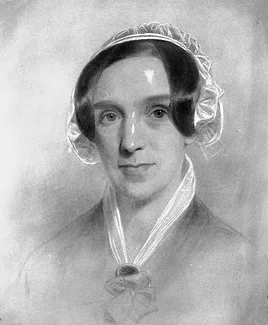
The Concord Female Anti-Slavery Society

March 15, 2021
Nancy Snyder
No Comments

In 1837, Concord, Massachusetts was not a town recognized for its great abolitionist stance against slavery. During the 1830s and the 1840s, Concord was a town of nearly 2,000 residents with only a few dozen giving abolitionism much thought — let alone taking any action against slavery.

Concord’s transformation from a town that considered abolitionism as something of little concern to a town internationally recognized as a strong hub in the abolitionist movement began in the home of Mrs. Samuel Barrett. For years, prominent Concord women would rotate meeting in each other’s homes and talk of whom and how to help Concord’s neediest residents. They called themselves the Concord Female Charitable Society  and the charitable work they accomplished was admirable. The Charitable Society also served as a political voice for these Concord women — a welcome outlet given the prescribed and narrow roles for women at that time. 


Read More
Thoreau-Farm-Birth-House--(1).jpg

Thoreau Farm: A Place Where Thoreau Guides the Discussion

September 15, 2020
Nancy Snyder
No Comments

In October 2019, I designed a literary pilgrimage that would take me to the Thoreau Farm in Concord, Massachusetts. I would be a writer in retreat in the second-story bedroom where Thoreau was born, and a few days later I would be a student participating in a writing workshop held by The Write Connection and taught by Heidi Jon Schmidt. 


Read More
IMG_7907-1024x768-1-(1).jpg

Made for Sauntering: Concord’s Bruce Freeman Rail Trail

June 15, 2020
Nancy Snyder
No Comments

One can easily imagine how pleased Concord’s favorite son, Henry David Thoreau, would have been upon the opening of Concord’s 2.5 mile section of the Bruce Freeman Rail Trail on September 27, 2019.  The ribbon-cutting ceremony began with brief remarks by Jonathan Gulliver, the Massachusetts Highway Administrator, members of the Massachusetts Legislature, and officials from Concord - but the excitement of the day was for the trail itself. Concordians wanted to venture onto the trail that runs from Commonwealth Avenue south to Powder Mill Road and experience the natural and historic delights the trail offers.

Read More

Featured Stories

  • Cover Summer26.jpg

    The Summer Issue is Here!

    As our nation celebrates the 250th anniversary of the Declaration of Independence, this issue explores the people, ideas, and stories that continue to shape its legacy. Inside, Professor Robert A. Gross offers fresh perspective in “A Referendum on Independence,” while a special foldout guide, “Following in Thoreau’s Footsteps,” invites you to explore the landscapes that inspired him. Discover an unexpected connection in “A Tale of Two Authors,” revisit the moving story of “A Hawthorne Homecoming,” and enjoy summer events, arts, and ways to experience Concord firsthand.
  • Robbins-House-15th-Anniversary-(7)-(1).jpg

    The Robbins House: Fifteen Years of History, Heritage, and Hope

    For the last fifteen years, The Robbins House has proudly told the stories of Black Concord through the lens of the Robbins and Garrison families. Originally located on an isolated farm overlooking the Great Meadows along the Concord River, the house is one of the only known historic sites commemorating the legacy of a previously enslaved Revolutionary War veteran named Caesar Robbins. 
  • Pickwick-Papers-book.jpg

    A Tale of Two Authors: Charles Dickens’ Influence on Louisa May Alcott

    Imagine admiring an author while you are growing up and then ending up in the same stratosphere of success as them. That is what happened to Louisa May Alcott, who was described by contemporaries as an ardent and enthusiastic admirer of Charles Dickens—a writer two decades her senior. Both Dickens and Alcott wrote novels, short stories, and essays; both loved the stage and pursued amateur acting; both integrated social issues into their writings; both went from using pen names to real names; and both became household names. By 1893, only Dickens’ novels were more circulated than Alcott’s in United States public libraries.
©2026. All Rights Reserved. Content: Voyager Publishing LLC. Design, CMS, Hosting & Web Development: ePublishing
Facebook Instagram