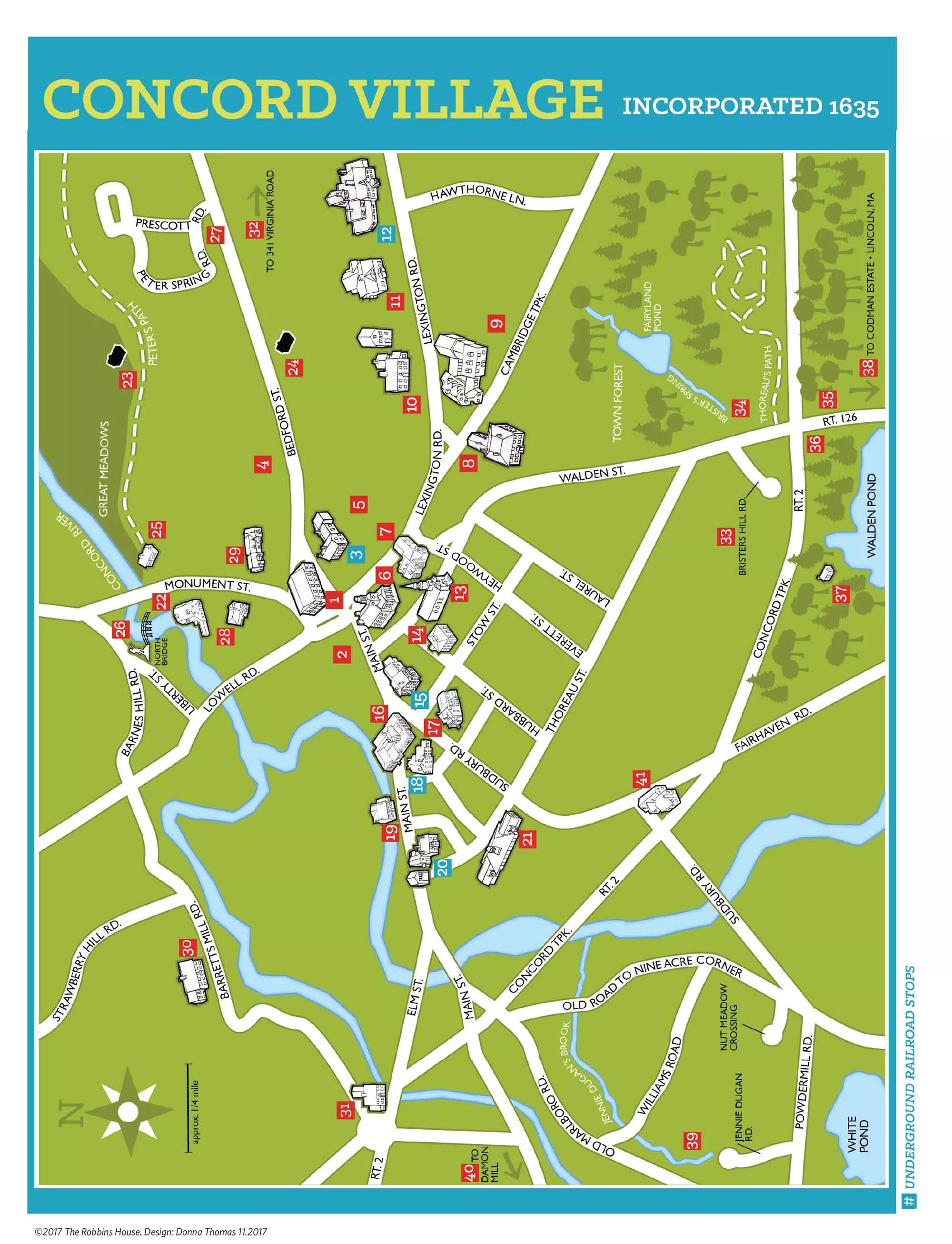
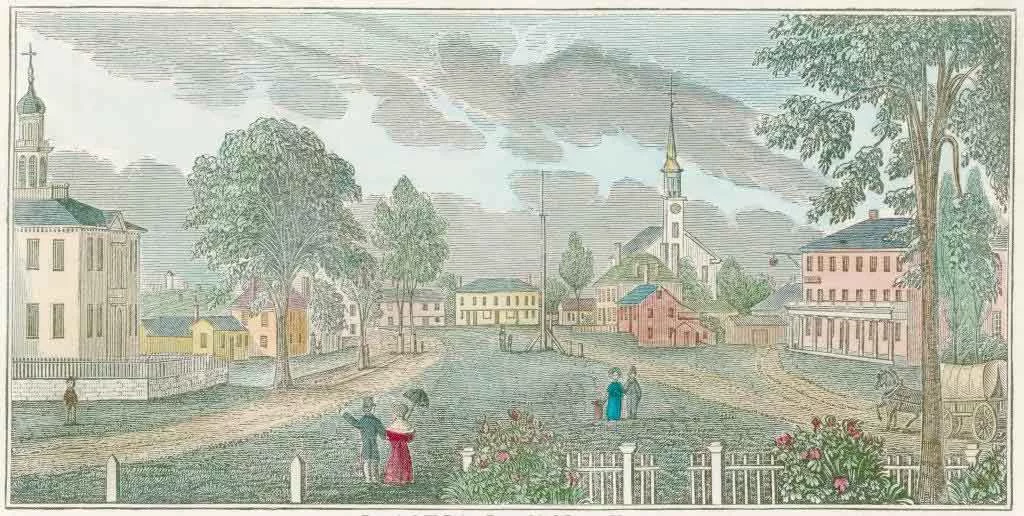
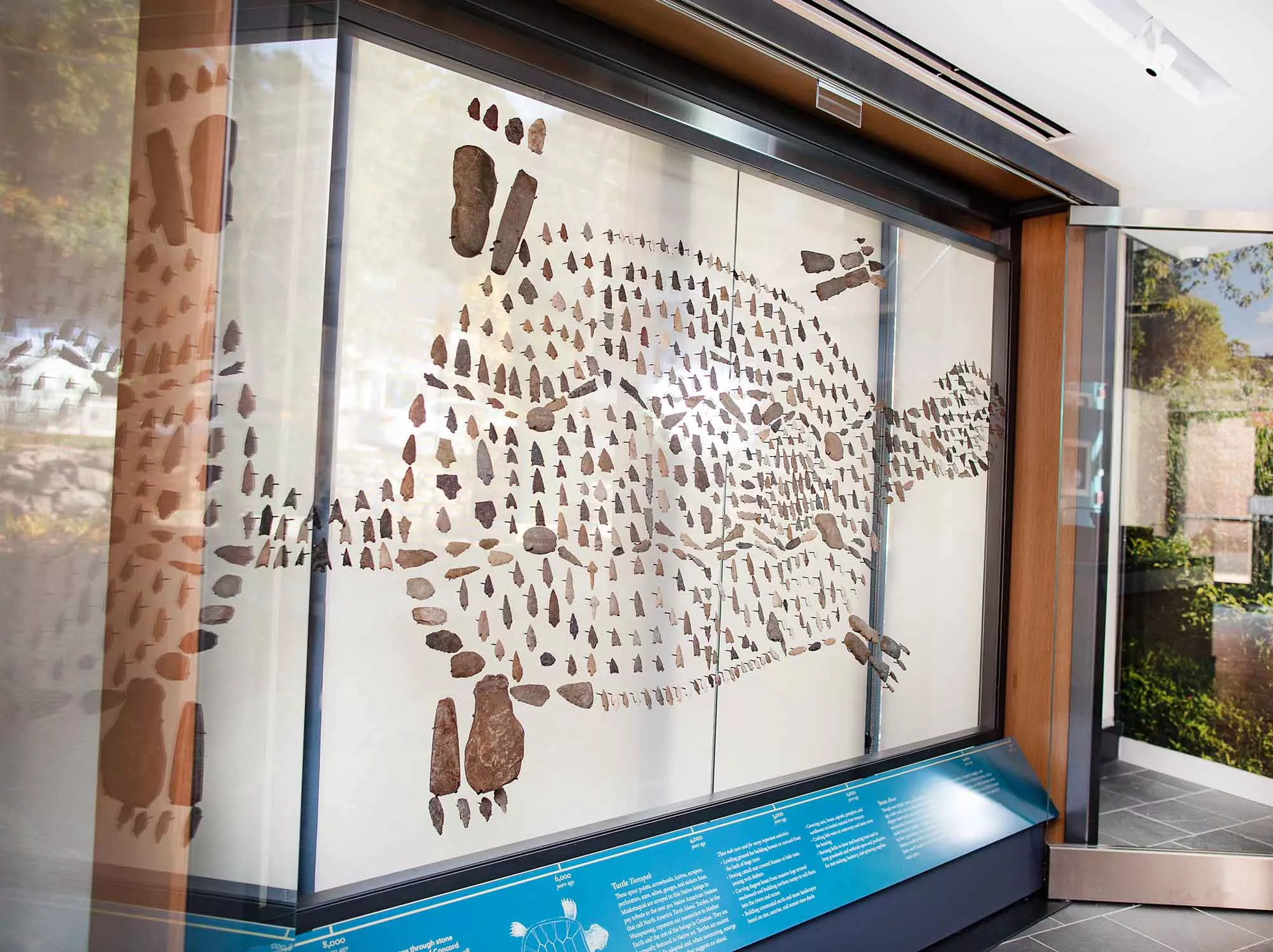
You see the names all over town: Musketaquid, Nashawtuc, Nashoba, Squaw Sachem. These words invite us to learn the stories of the people who lived in this place for thousands of years before English settlers arrived.
The English named this place Concord in 1635, but it had long been known by the region’s first peoples as Musketaquid. In the Algonquian language, the name means “grassy river” or “grassy island,” and the Sudbury, Assabet, and Concord Rivers have always been the lifeblood of the land. As Lemuel Shattuck recounts in his 1835 History of Concord, the local people lived “[by] planting, hunting, or fishing . . . and few places produced a supply more easily than Musketaquid.” 1
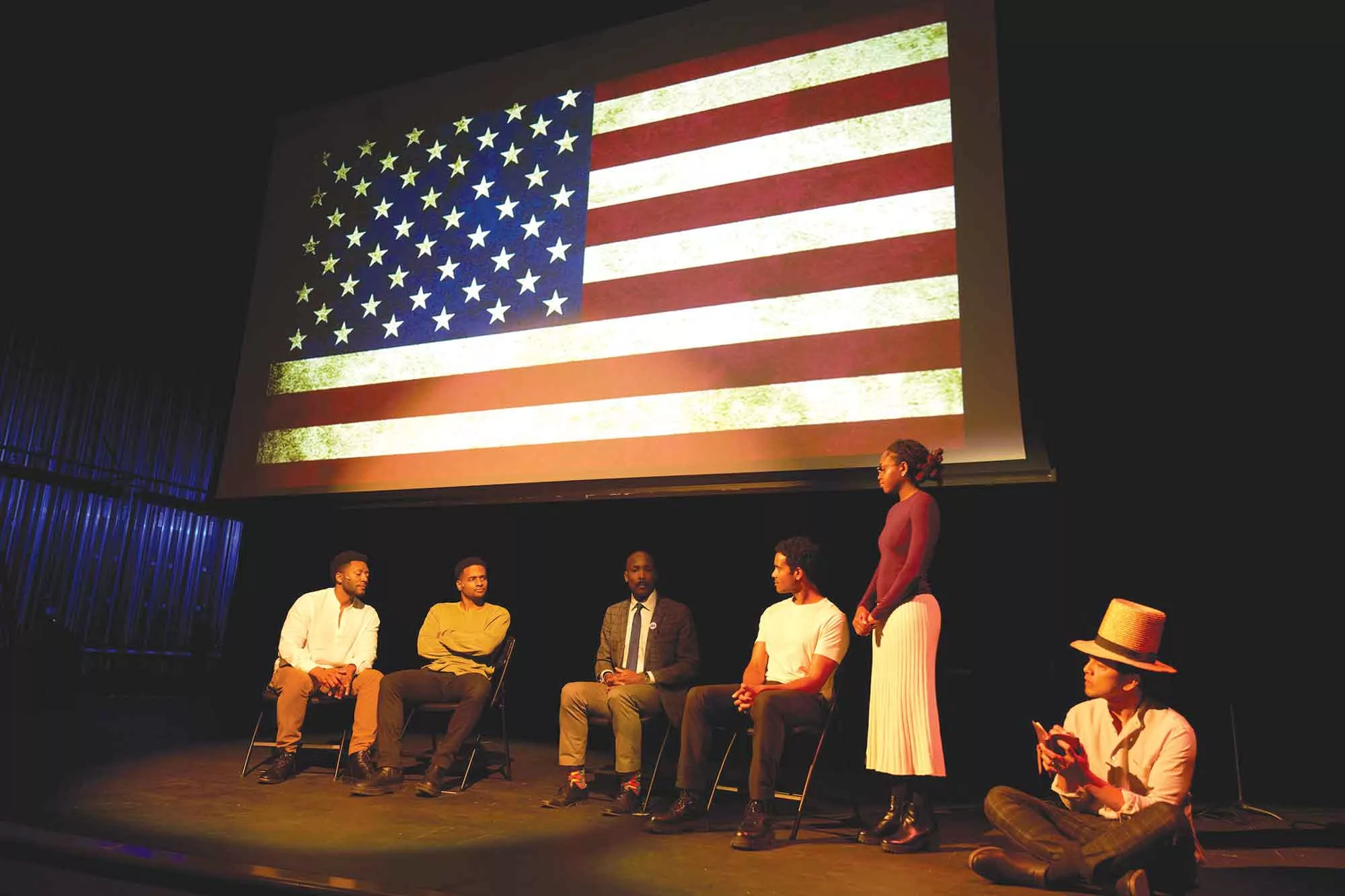
Last fall, the Town of Concord and Concord250 were proud to be among the 37 selected recipients of a Massachusetts250 Grant provided by the Healey-Driscoll Administration and the Massachusetts Office of Travel and Tourism. The grant funded the project “A Fight for Freedom: Honoring Patriots of Color.”
For many months, scholars, interpreters, and artists collaborated to create this signature event. The program launched in March at The Umbrella Center for the Arts with a two-hour live event dedicated to uncovering and honoring the often-overlooked contributions of Black and Indigenous Patriots during the American Revolution and the ongoing struggle for freedom and equality over the past 250 years.
Native Americans have been planting The Three Sisters for thousands of years. Corn, pole beans, and squash have a symbiotic relationship when planted together. The tall corn stalks provide a structure for the pole beans to climb, while the beans provide nitrogen to the soil. The squash spreads its large leaves along the ground to soak up sunshine, conserve water, and reduce weeds. This tradition of interplanting goes beyond agriculture, though, and has important cultural and spiritual aspects to many Indigenous peoples.

.webp?t=1720588719)