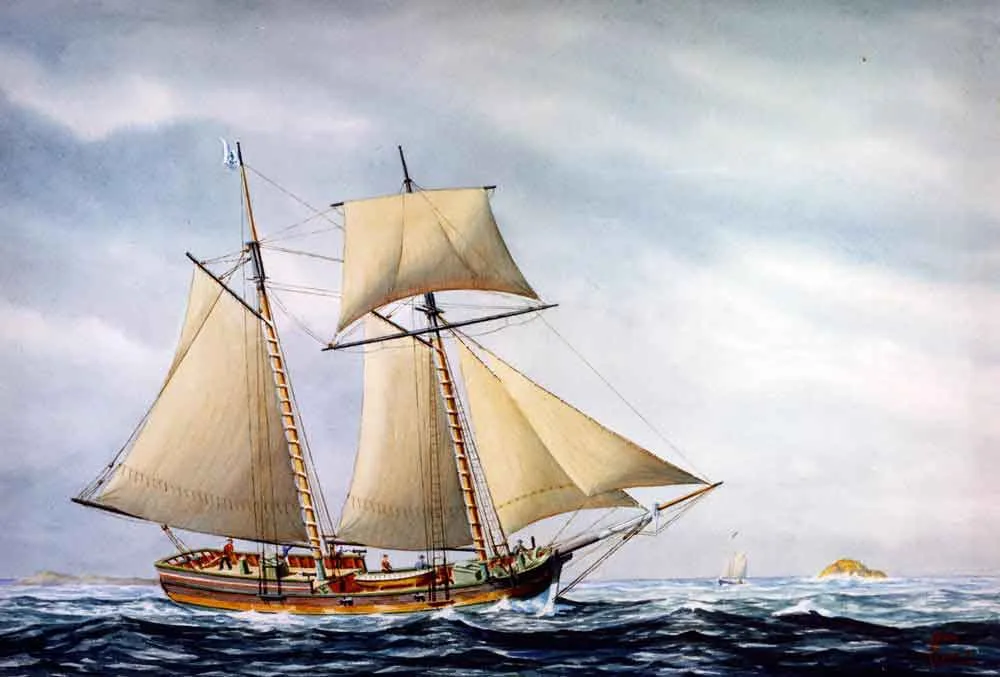
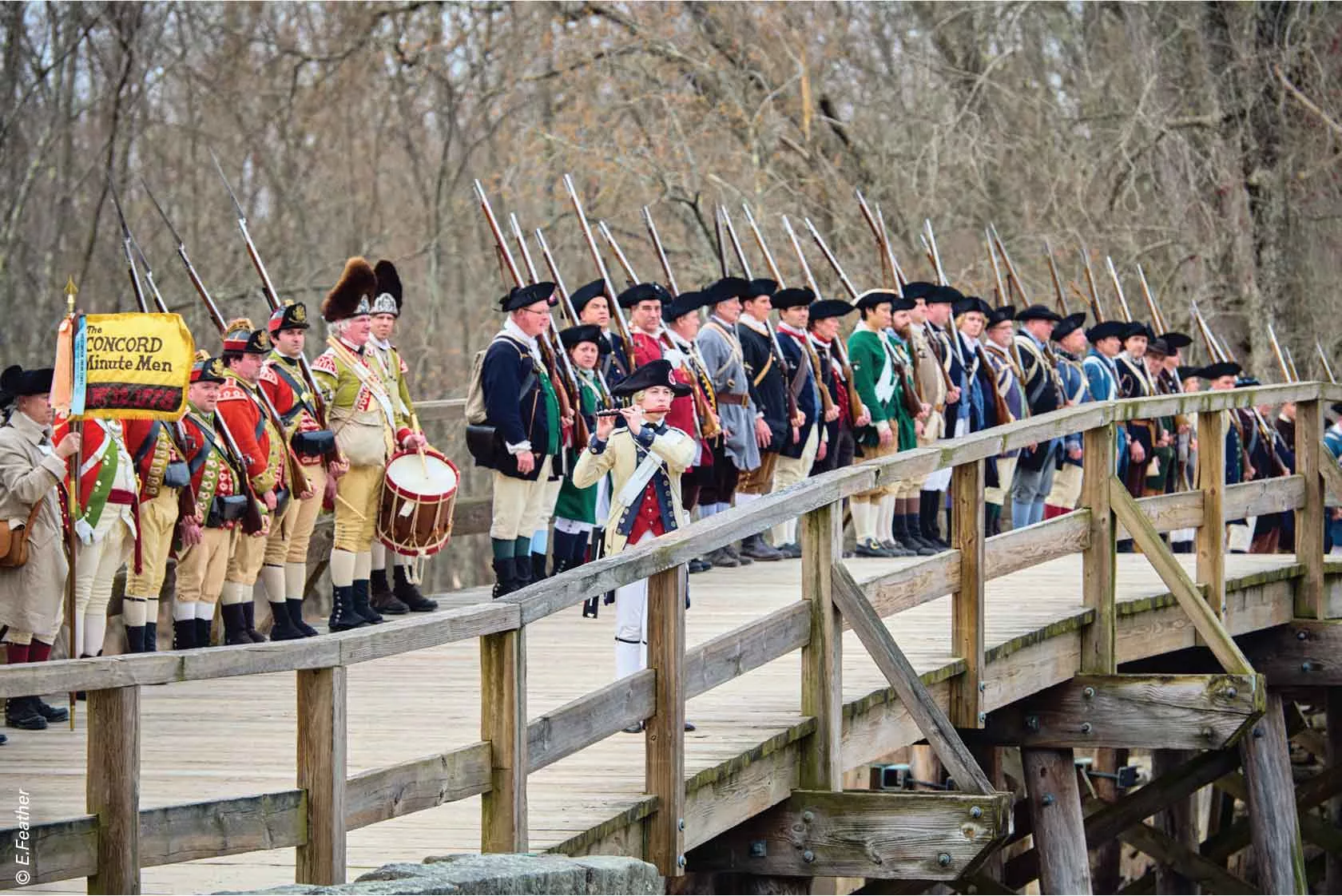
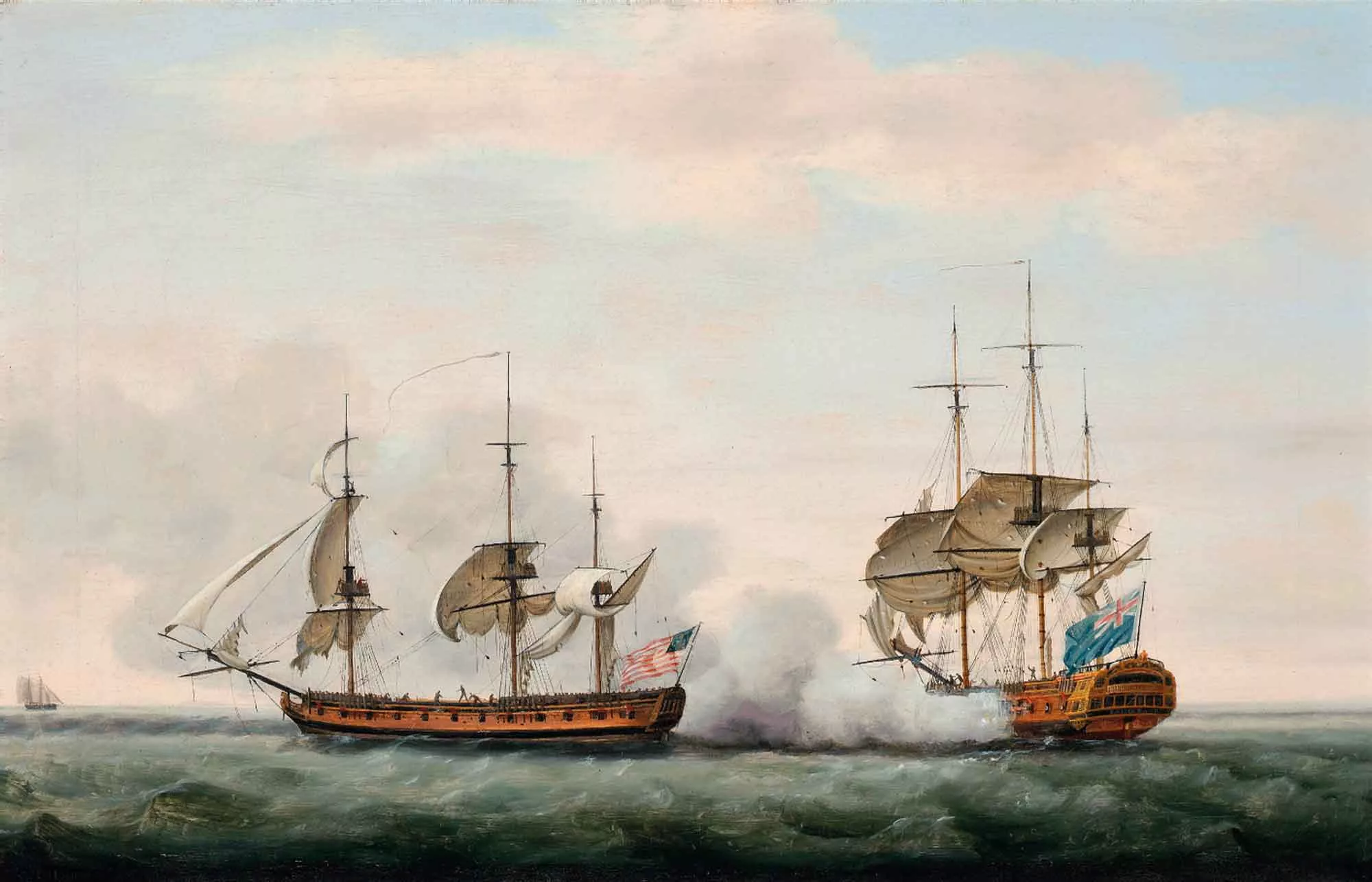
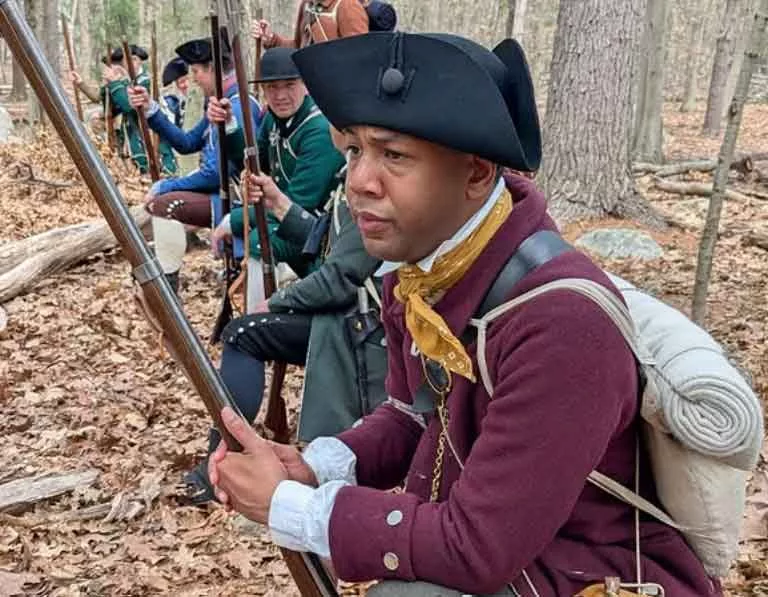
A common misconception among historians and the public is that Massachusetts privateers engaged in “lawful piracy,” operating indiscriminately with unseaworthy vessels, unsanctioned by state or local committees of safety, and motivated solely by profit and adventure. By contrast, privateers functioned as organized waterborne militias whose early interdiction efforts—particularly those targeting British supply lines to the American coast—played a significant role in securing American independence.
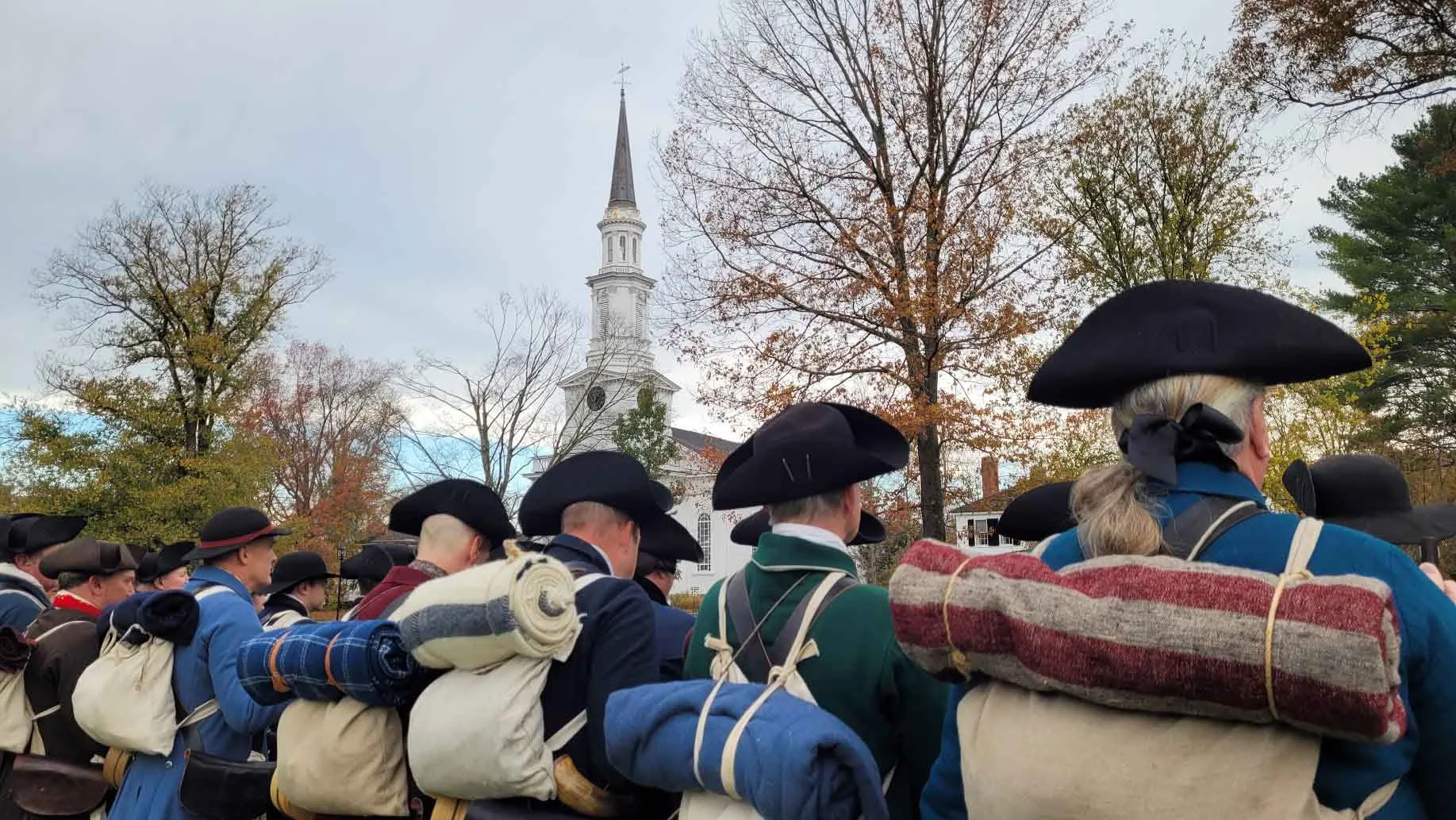
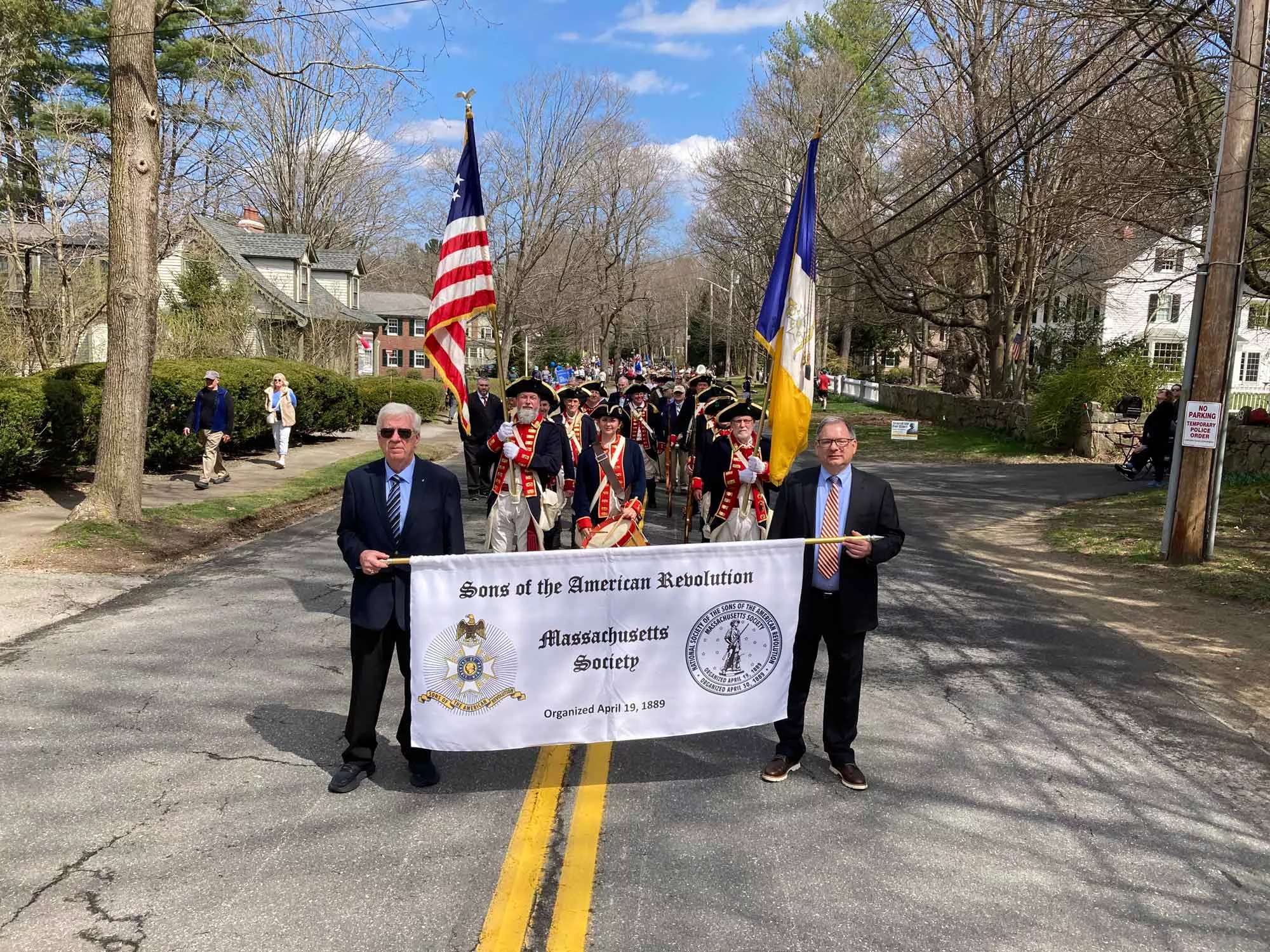
Over the past two years, I have collaborated with communities, museums, historical organizations, and heritage sites to plan commemorative events that illuminate the narrative of the American Revolution. Through this historical programming, I have consistently observed a significant trend: the 250th anniversary of the American Revolution has substantially renewed interest in the contributions of local communities to the American pursuit of independence. This commemoration demonstrates that the Revolution was not defined solely by major battles. Instead, the movement progressed incrementally through the collective actions of towns, families, and individual citizens.
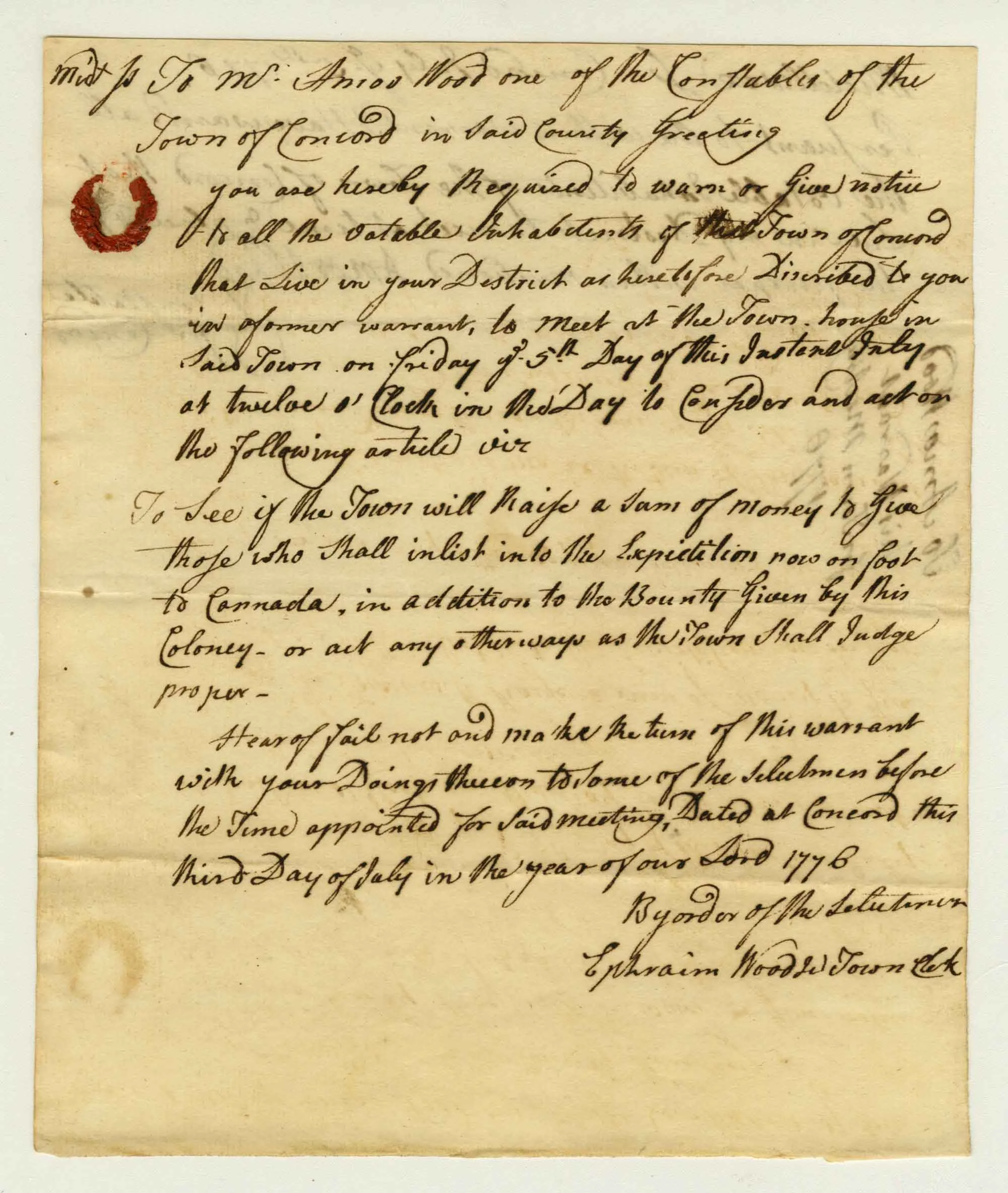
The road to American independence took time to complete, and Massachusetts, despite its reputation as a vanguard state, was not always in the lead. In 1775, even after the battles of Lexington and Concord and Bunker Hill, most Patriot leaders were still seeking restoration of colonial rights within the British empire. Thomas Paine broke the logjam with the publication of Common Sense early the next year. The instant best-seller argued the case for separation by appealing to economic and political self-interest, emotional resentment of a brutal and oppressive king, and a utopian vision of America as “an asylum for mankind.”