Discover West Concord and find surprises on every corner. From great food to eclectic shops, activities for kids, the arts, and more. West Concord has so much to offer!
West Concord has never been a place that stood still. Its identity has been shaped and reshaped by the Assabet River, mills and factories, railroads, a prison, farms, shopkeepers, artists, and entrepreneurs. Buildings have repeatedly found new purposes; new arrivals have affixed their
own layers, adding to what came before.
Few people have watched that process longer than Maynard Forbes. He arrived in West Concord in 1951 at fourteen and, nearly seventy-five years later, still describes the village in terms of three forces that preceded him: “The railroad, the prison, and industry. Those are the entities that developed West Concord as we know it today.”
Like Ruth Robinson Wheeler, I moved to Concord from Watertown, Massachusetts, and became devoted to learning and sharing the history of my adopted town. Unlike Ruth Wheeler, I’ve never been attacked by a bull.
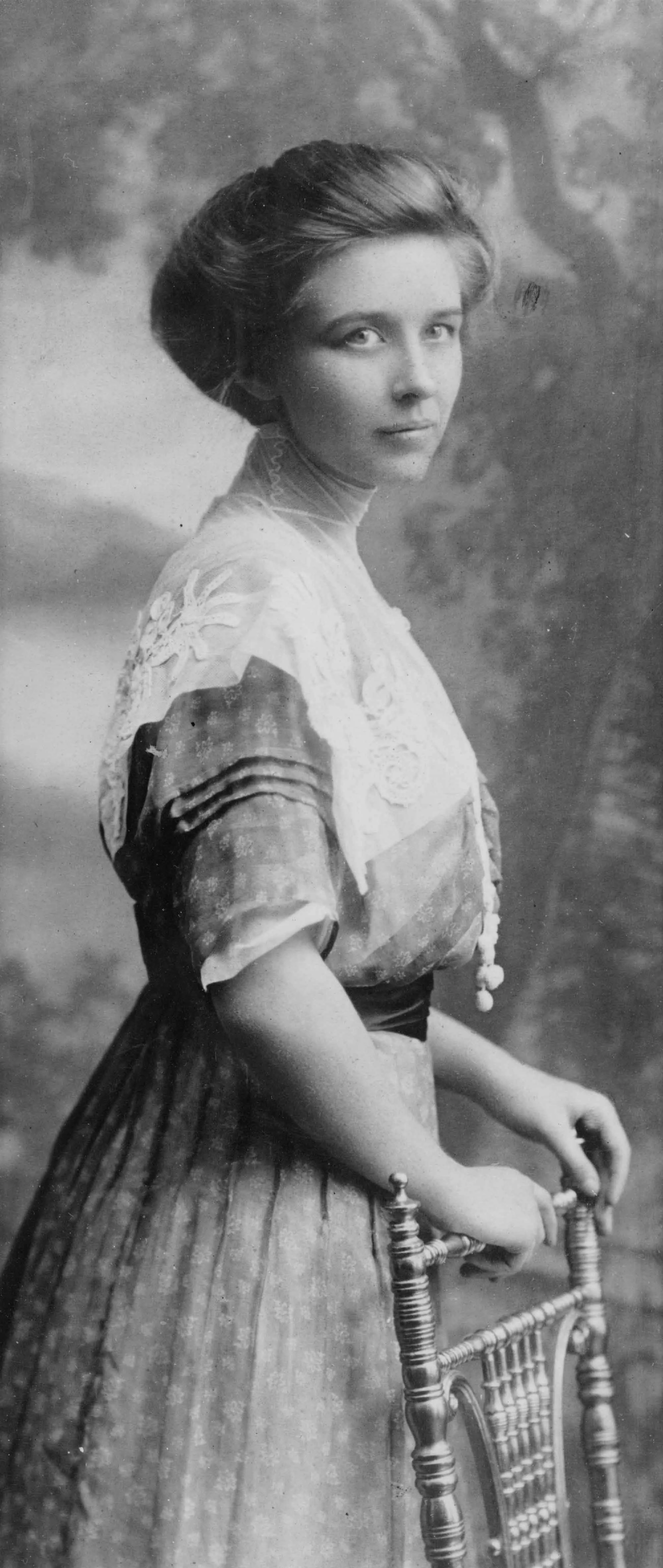
The bull attack occurred on her farm on Virginia Road in 1940, when she was fifty years old. Fortunately, she recovered from her injuries. Wrangling cattle was not an ordinary occupation for a Vassar graduate with a colonial Massachusetts pedigree, but Ruth was not an ordinary woman.


-(1).webp?t=1782928944)


-(1).webp?t=1723217972)

