Discover Concord Logo
Toggle Mobile MenuToggle Mobile Menu
Subscribe
  • Home
  • Current Issue
  • Back Issues
    • Spring 2026
    • Fall 2025
    • Spring 2025
    • Winter 2025
    • 2024 Back Issues
    • 2023 Back Issues
    • 2022 Back Issues
    • 2021 Back Issues
    • 2020 Back Issues
    • 2019 Back Issues
  • Browse Topics
    • Abolitionism in Concord
    • American Revolution
    • Arts & Culture
    • Celebrity Profiles
    • Civil War
    • Concord History
    • Concord Writers
    • First Nations People of Concord
    • Historic Sites in Concord
    • Parks & Nature
    • Patriots of Color
    • Things to See & Do
    • Transcendentalism
    • Trivia
    • Untold Stories of Concord
  • Plan Your Visit
  • Events
  • Purchase Subscriptions and Back Issues
  • Discover the Battle Road
  • 250 Collectibles
  • More
    • About Us
    • Advertise
    • Contact Us
Toggle Mobile MenuToggle Mobile Menu
Home » Authors » Matthew Ahern
Matthew Ahern

Matthew Ahern

Matthew Ahern is the collections specialist historian at the Massachusetts National Guard Museum and serves as a sergeant with the 126th Military History Detachment, Massachusetts Army National Guard. He holds a B.A. in history and English from the University of Massachusetts Lowell and a graduate certificate in public history from Salem State University where he is currently pursuing a M.A. in history. A lover of all things Concord, Matthew has worked at various town historic sites such as The Old Manse and The Robbins House since 2017 and became a licensed town guide in 2019.  

Articles

ARTICLES

Co.-G-Reunion-1.jpg

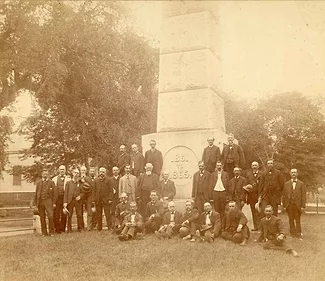
Concord’s Minutemen of 1861: Captain George L. Prescott and the Concord Artillery

September 4, 2025
Matthew Ahern
No Comments

In the early morning of April 19, 1861, Daniel Lawrence rode into the town of Concord on horseback, rousing the town militia with orders to report to Boston in response to President Lincoln’s call for militia volunteers. The method and timing of this call were no accident.


Read More
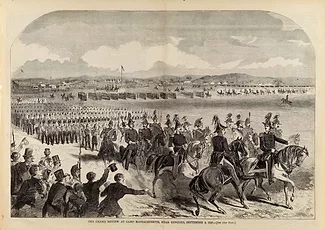
The Grand Review at Camp Massachusetts

Gathering Before the Storm

Concord, the Massachusetts Volunteer Militia, and the Encampment of 1859
March 15, 2024
Matthew Ahern
No Comments

In 1859, militiamen were a common sight in Concord, having had a presence in the town for over two centuries. Uncommon, however, was the entirety of the Massachusetts Volunteer Militia descending on the town in early September 1859. 


Read More

Featured Stories

  • Cover Summer26.jpg

    The Summer Issue is Here!

    As our nation celebrates the 250th anniversary of the Declaration of Independence, this issue explores the people, ideas, and stories that continue to shape its legacy. Inside, Professor Robert A. Gross offers fresh perspective in “A Referendum on Independence,” while a special foldout guide, “Following in Thoreau’s Footsteps,” invites you to explore the landscapes that inspired him. Discover an unexpected connection in “A Tale of Two Authors,” revisit the moving story of “A Hawthorne Homecoming,” and enjoy summer events, arts, and ways to experience Concord firsthand.
  • FIRST_CHOICE_RP20260512_077.jpg

    Timothy Wheeler House: A History of Care for Concord Elders

    The Timothy Wheeler House, a Greek Revival home with a distinctive columned portico and gabled roof, has housed the Concord Home for the Aged since 1887. It was named for Timothy Wheeler, who owned the site and the land across the street where he operated a grist mill. 
  • Senator-Charles-Sumner.jpg

    What I Have Done for the Good Cause

    This is the story of a letter that survived time to link together a centuries-long quest for liberty, a group of red-hot abolitionists, a British woman cloaked in scandal, and a Concord house tied to the Underground Railroad. Written by Senator Charles Sumner in 1860 and making its way to Concord via Barrow Bookstore, the letter leads one to ask, “What would you do for a cause in which you believed?”
©2026. All Rights Reserved. Content: Voyager Publishing LLC. Design, CMS, Hosting & Web Development: ePublishing
Facebook Instagram