In 1837, Concord, Massachusetts was not a town recognized for its great abolitionist stance against slavery. During the 1830s and the 1840s, Concord was a town of nearly 2,000 residents with only a few dozen giving abolitionism much thought — let alone taking any action against slavery.
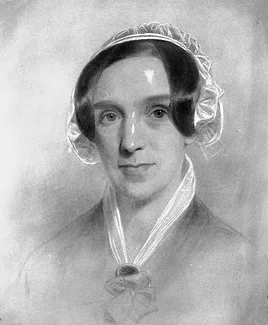
Concord’s transformation from a town that considered abolitionism as something of little concern to a town internationally recognized as a strong hub in the abolitionist movement began in the home of Mrs. Samuel Barrett. For years, prominent Concord women would rotate meeting in each other’s homes and talk of whom and how to help Concord’s neediest residents. They called themselves the Concord Female Charitable Society and the charitable work they accomplished was admirable. The Charitable Society also served as a political voice for these Concord women — a welcome outlet given the prescribed and narrow roles
for women at
that time.
It should come as no surprise that the early laws of this country were derived from English laws, or that those laws were written exclusively by men for men. While Concord of the 19th century was relatively progressive, a wife was still considered merely an extension of her husband, and the laws did not provide her with the right to vote as an individual. Men felt it was good enough for them to cast a vote for both husband and wife, while unmarried women or women of color simply had no say at all.