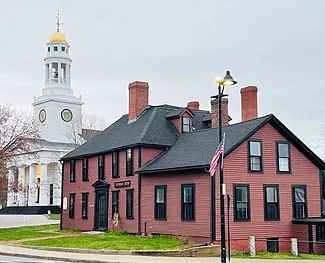
In Concord’s center, there is an iconic red building. Having stood for almost 300 years, the Wright Tavern is ready to receive visitors again. Having been closed to the public for more than 30 years, it is now reopening to welcome visitors and rekindle the spirit of taverns as unique places of civic engagement.
In 1990, two large commercial development projects threatened the historical and ecological integrity of Henry David Thoreau’s Walden Woods, an area of 2,680 acres surrounding Walden Pond. Under the leadership of recording artist Don Henley, the nonprofit Walden Woods Project was founded. The organization launched a successful national advocacy and fundraising campaign to preserve the endangered sites.
Transcendental author and naturalist Henry David Thoreau knew Concord’s trails intimately. He walked daily “to exercise both body and spirit” and observe nature. He felt human connection to wild places was rapidly deteriorating. “Each town should have a park” he argued, “where a stick should never be cut for fuel, a common possession forever, for instruction and recreation.”
A half-mile section of Battle Road Trail from Meriam’s Corner toward Thoreau’s birthplace offers a chance to consider the landscape, now protected as part of Minute Man National Historical Park, and our own view of the world. Thoreau’s words can be our guide.
The Robbins House was originally located on an isolated farm overlooking the Great Meadows along the Concord River. The first two families who lived there were descendants of Caesar Robbins, a Revolutionary Patriot of color, and the house is one of the only known historic sites commemorating the legacy of a previously enslaved Revolutionary War veteran. In 1823, Caesar’s son Peter Robbins purchased the new two-room house and over 13 acres for $260.
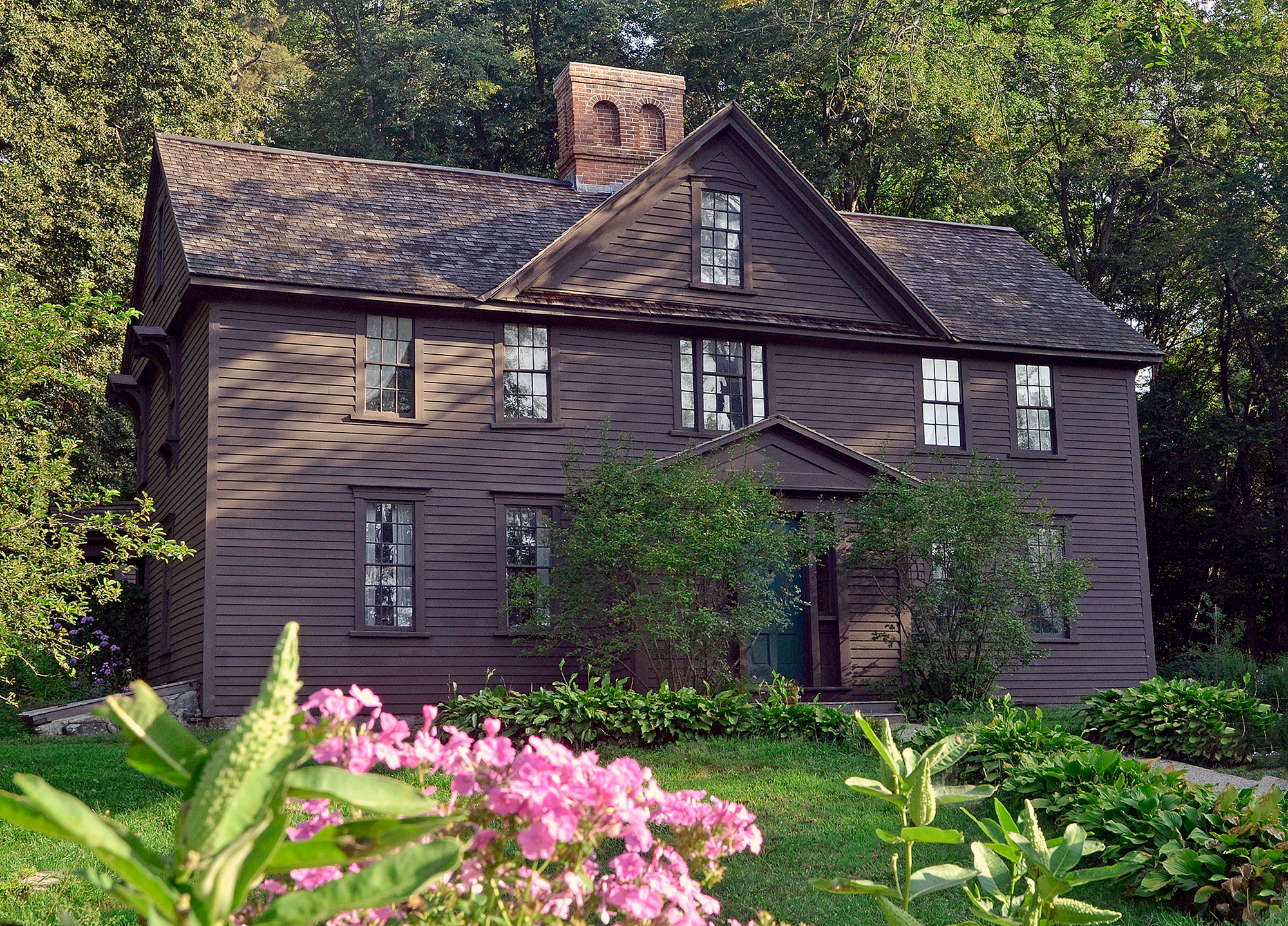
It is rare to find the very home where a beloved feminist author penned her most famous work, Little Women—a novel that has never been out of print for over a century and has been translated into more than 50 languages. Rarer still is to find that home still preserved just as she and her family left it, filled with their personal belongings. Add to that a rich history spanning centuries, and you have Louisa May Alcott’s Orchard House in Concord, Massachusetts.
In the fall of 2002, a group of Concord residents formed The Friends of Sleepy Hollow Cemetery with the mission to provide leadership to beautify, enhance, and advance the Cemetery, one of Concord’s treasures.
Since 1770, The Old Manse has stood majestically on the banks of the Concord River, overlooking the North Bridge where, on April 19, 1775, one of the first battles of the American Revolution unfolded.
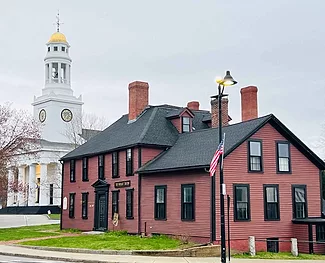
As the 250th Anniversary of the Battles of Lexington and Concord approaches, a witness house sits at the top of Concord’s Main Street, full of stories of rebels and traitors whose actions shaped the America we know today. It is the Wright Tavern, a red wood building with black shutters; one of the last standing colonial-era taverns from that fateful day of April 19, 1775.
The tale of this tavern begins with a dangerous hole in the ground.
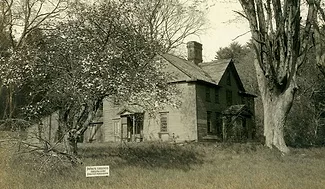
In 1910, the home of one of the world’s most beloved authors was up for sale and likely to be demolished. It had been built in the mid-1600s and had been vacant for years. “Private Property” and “No Trespassing” signs were nearly obscured by tall grass, giving the overall impression of sad dilapidation. The real estate prospectus read, “perfect site for a new mansion.”


.webp?height=325&t=1750270539&width=325 "_TRH_Winter_Candles_A-(2).png")