
Discover Concord Logo
Toggle Mobile MenuToggle Mobile Menu
Subscribe
  • Home
  • Current Issue
  • Back Issues
    • Fall 2025
    • Spring 2025
    • Winter 2025
    • 2024 Back Issues
    • 2023 Back Issues
    • 2022 Back Issues
    • 2021 Back Issues
    • 2020 Back Issues
    • 2019 Back Issues
  • Browse Topics
    • Abolitionism in Concord
    • American Revolution
    • Arts & Culture
    • Celebrity Profiles
    • Civil War
    • Concord History
    • Concord Writers
    • First Nations People of Concord
    • Historic Sites in Concord
    • Parks & Nature
    • Patriots of Color
    • Things to See & Do
    • Transcendentalism
    • Trivia
    • Untold Stories of Concord
  • Plan Your Visit
  • Events
  • Purchase Subscriptions and Back Issues
  • Discover the Battle Road
  • 250 Collectibles
  • Trading Cards
  • More
    • About Us
    • Advertise
    • Contact Us
Toggle Mobile MenuToggle Mobile Menu
Home » Authors » Robert A. Bellinger

Robert A. Bellinger

Dr. Robert A. Bellinger, history professor emeritus, Suffolk University. Founder of Righting Histories, he is a public historian who works on African American history projects in Lexington, Concord, and other Massachusetts communities, and in Charleston, South Carolina.

Articles

ARTICLES

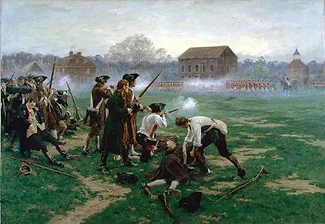
The_Battle_of_Lexington-wikimedia.jpg

Prince Estabrook: From Lexington Green to the Hudson River Valley

March 28, 2025
Robert A. Bellinger
No Comments

Early on the morning of April 19, 1775, approximately 70 men, all residents of Lexington, Massachusetts, gathered on the Town Green in response to the news that the British Regulars were approaching the town on their way to Concord to search for stores of ammunition. The Lexington men were members of the local militia responsible for protecting their community. Among those Lexingtonians was Prince Estabrook, a man of African descent who was enslaved by Benjamin Estabrook, another Lexingtonian. Whether or not Prince, or any of the other men, were aware of how the events of the morning would play out, it is certain that he did not envision that he was laying the foundation for a new nation. Even so, Prince embodied the events and issues of the day in a way that was distinct from the other men who gathered on the Green that April morning.


Read More

Featured Stories

  • Thoreau lead image for website.jpg

    Henry David Thoreau Debuts in a Documentary

    HENRY DAVID THOREAU, a new, three-part, three-hour film examines the life and work of Concord’s 19th-century writer in the context of antebellum New England and the larger United States, as well as through the universal themes he focused on in his writings: an individual’s relationship to the state, how to live an authentic life, our connection to nature, and the impact of race on American life. Ultimately, HENRY DAVID THOREAU presents a portrait of a man both rooted in his time and speaking far beyond it. By placing his life and writings within the great moral struggles of the 19th century, the film underscores why Thoreau endures as a guide to the tensions and possibilities of American democracy—offering wisdom and provocation as the nation approaches its 250th anniversary. 
  • Pepperell-MA_Prudence-Wright-Memorial-2.jpeg

    Discover the Battle Road

    The road to revolution continues. In September 1774, leaders in Suffolk County adopted a sweeping plan of resistance that called for boycotts, militia organization, and defiance of British authority. Learn more in "The Suffolk Resolves of 1774: A Comprehensive Plan of Defiance." Speaking of roads, spring is a great time to visit nearby towns. Map out your journey with "A Monumental Road Trip in the Freedom's Way National Heritage Area."
©2026. All Rights Reserved. Content: Voyager Publishing LLC. Design, CMS, Hosting & Web Development: ePublishing
Facebook Instagram