Over the past two years, I have collaborated with communities, museums, historical organizations, and heritage sites to plan commemorative events that illuminate the narrative of the American Revolution. Through this historical programming, I have consistently observed a significant trend: the 250th anniversary of the American Revolution has substantially renewed interest in the contributions of local communities to the American pursuit of independence. This commemoration demonstrates that the Revolution was not defined solely by major battles. Instead, the movement progressed incrementally through the collective actions of towns, families, and individual citizens.
Many years ago, I studied the ancient bardic tradition in Scotland with one of the last living bards. To be a true bard would have meant a lifetime of study, and my time with this bard was just a glimpse into the Celtic tradition of history keeping.
The traditional opening line of a bardic tale, “In the times before history,” indicated a story from before the written word existed. The bards were among the Celtic world’s early historians, learning verbatim from other bards the passed-down histories of their regions, memorizing the genealogies of kings and noble houses (establishing the rights of succession), and preserving current events by composing their own tales of honor, treachery, and all that occurred in between. Many bards were harp players and would accompany their tales with strains from metal or gut harp strings.
The abolitionists of the 19th century valued, revered, and lived by the words of the Declaration of Independence. The proclamation “We hold these truths to be self-evident, that all men are created equal, that they are endowed by their Creator with certain unalienable Rights, that among these are Life, Liberty and the pursuit of Happiness” affirmed that all individuals possess equal human dignity. The abolitionists lived in one era when our country was not living up to those words, and as we celebrate the 250th anniversary of the Declaration of Independence, like them, we find the promise of those words again in peril.
The road to revolution continues. In September 1774, leaders in Suffolk County adopted a sweeping plan of resistance that called for boycotts, militia organization, and defiance of British authority. Learn more in "The Suffolk Resolves of 1774: A Comprehensive Plan of Defiance." Speaking of roads, spring is a great time to visit nearby towns. Map out your journey with "A Monumental Road Trip in the Freedom's Way National Heritage Area."
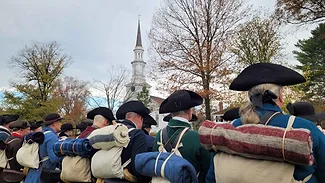
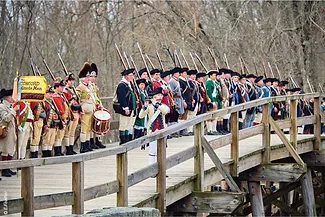
This year's Patriots' Day honored the 250th anniversary of the first battles of the American Revolution with great fanfare, historic reenactments, commemorations, and somber remembrance of those who gave their lives to help give rise to the United States of America. As we make our way towards July 4, 2026, and the America250 celebrations, we hope you will enjoy a look back at the events of April 19, 2025.